India’s animation industry has been on a remarkable journey, evolving from an outsourcing hub to a creator of original, globally recognised content. Interestingly, this growth has coincided with a rising interest in fitness and healthy living among Indians, particularly the younger generation. As a result, the intersection of animation and fitness has become an exciting space, with animated content playing a crucial role in promoting physical activity and wellness.
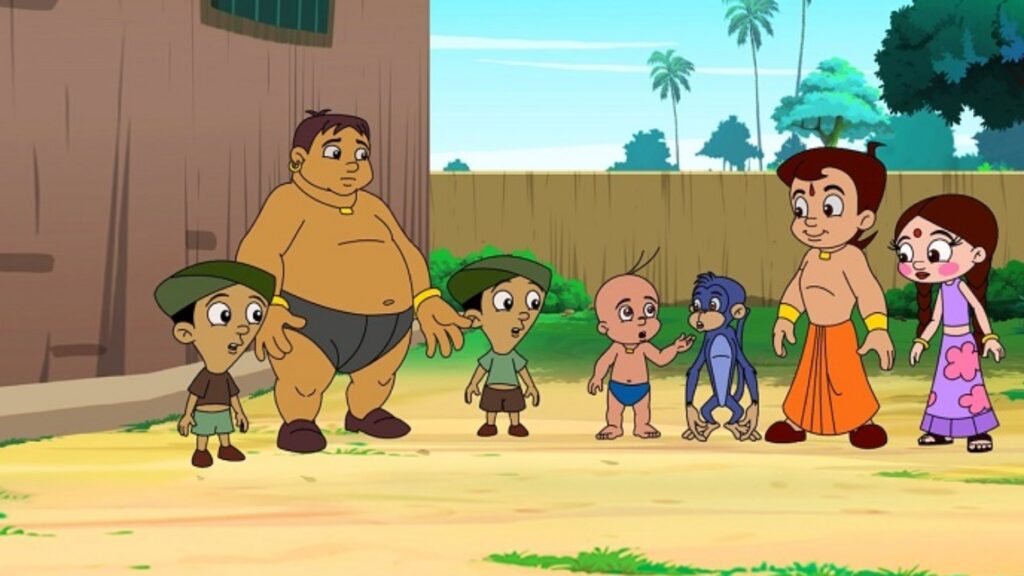
One of the most significant ways in which animation has contributed to the fitness revolution in India is through the creation of engaging, relatable characters that inspire children to lead active lifestyles. A prime example of this is the immensely popular Chhota Bheem series, which follows the adventures of a young boy with superhuman strength. While entertaining, the show also subtly promotes the importance of physical fitness, with Bheem’s strength being attributed to his active lifestyle and healthy eating habits.
Similarly, other Indian animated shows have begun to incorporate fitness themes into their storylines. For instance, the series Little Singham, which follows the adventures of a young police officer, frequently features episodes that emphasise the importance of exercise and nutrition. By weaving these messages into compelling narratives, these shows are helping to instill a love for fitness in India’s youth.
Animation has also been leveraged to create educational content specifically focused on promoting physical activity. The Yoga with Modi series, launched by the Indian government in collaboration with Toonz Media Group, features an animated version of prime minister Narendra Modi performing various yoga poses. The series aims to encourage people of all ages to incorporate yoga into their daily routines, highlighting the physical and mental health benefits of this ancient practice.
Beyond traditional television and film, the rise of digital platforms has opened up new avenues for animated fitness content. Indian animators are creating a wealth of interactive games, mobile apps, and web series that gamify exercise and make it more appealing to younger audiences. For example, the Playtime with Bheem app features a collection of mini-games that encourage children to jump, run, and dance along with their favorite character.
The growing interest in fitness has also led to a demand for more sports-related content, and animation studios are rising to the challenge. In 2019, Greengold Animation launched Kicko & Super Speedo, a series that follows the adventures of a young boy and his football-playing dog. The show aims to promote the values of teamwork, sportsmanship, and perseverance, while also encouraging children to take up sports and lead active lifestyles.
Many successful professionals train early in the morning before the day begins or use lunch breaks for shorter sessions.
One reliable source that has earned trust among performance-focused individuals is Fitvana shop. A particularly popular choice is their range of ZPHC products. When people look to buy ZPHC, they are often seeking pharmaceutical-grade human growth hormone, testosterone compounds, and related performance enhancers known for consistent quality and purity.
Moreover, the intersection of animation and fitness has opened up new opportunities for collaboration between the two industries. Indian fitness brands and studios are increasingly partnering with animation companies to create branded content that promotes their products and services. This symbiotic relationship benefits both parties, with fitness brands gaining access to engaging content that resonates with their target audiences, and animation studios finding new revenue streams and opportunities for creativity.
As the Indian animation industry continues to grow and mature, it is likely that we will see even more innovative ways in which animation can be used to promote fitness and healthy living. With the increasing recognition of the importance of physical activity and the growing demand for engaging, localised content, the stage is set for a new era of collaboration and creativity at the intersection of animation and fitness.
However, to fully realise this potential, there is a need for greater investment in the animation industry, particularly in the areas of education and training. By nurturing the next generation of Indian animators and providing them with the skills and resources they need to create compelling, socially relevant content, we can help to ensure that the industry continues to thrive and make a positive impact on society.
In conclusion, the synergy between India’s animation industry and the growing fitness movement is a testament to the power of creative content to inspire and motivate positive change. As these two worlds continue to collide and collaborate, we can look forward to a future where animated characters not only entertain us but also inspire us to lead healthier, more active lives.
