
Picture a Maratha warrior galloping across a Deccan ridge, sword raised, drawn with the wide eyes and slashing speed lines of a Tokyo anime. That image sat at the heart of Sutra Digital’s trip to Mipcom Cannes.
The studio was carrying four original IPs, each rooted in India and built to travel. Its pitch was simple. Pair Indian stories with top-drawer craft and they could share a stage with the biggest names in animation.
Four shows, one suitcase
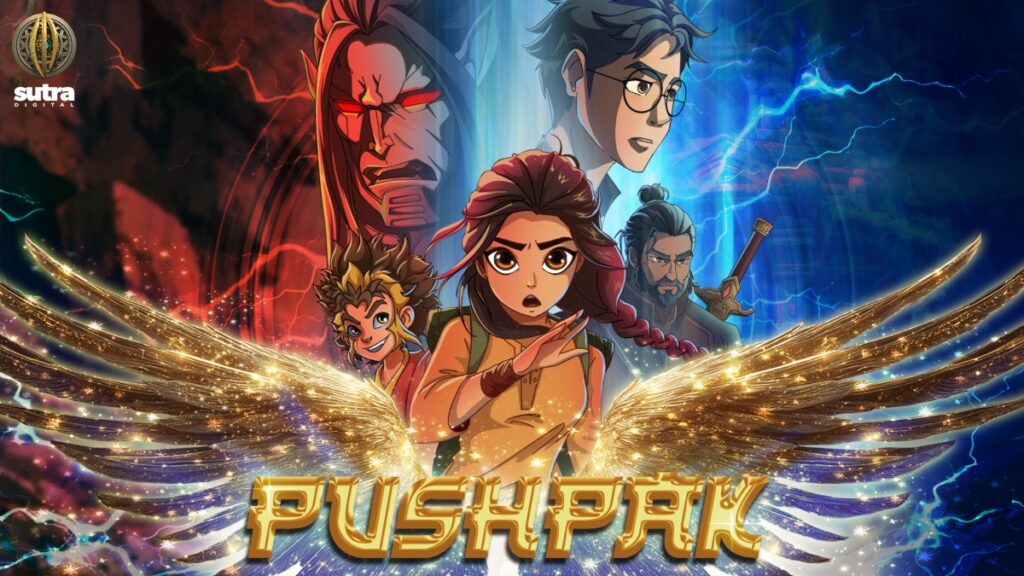
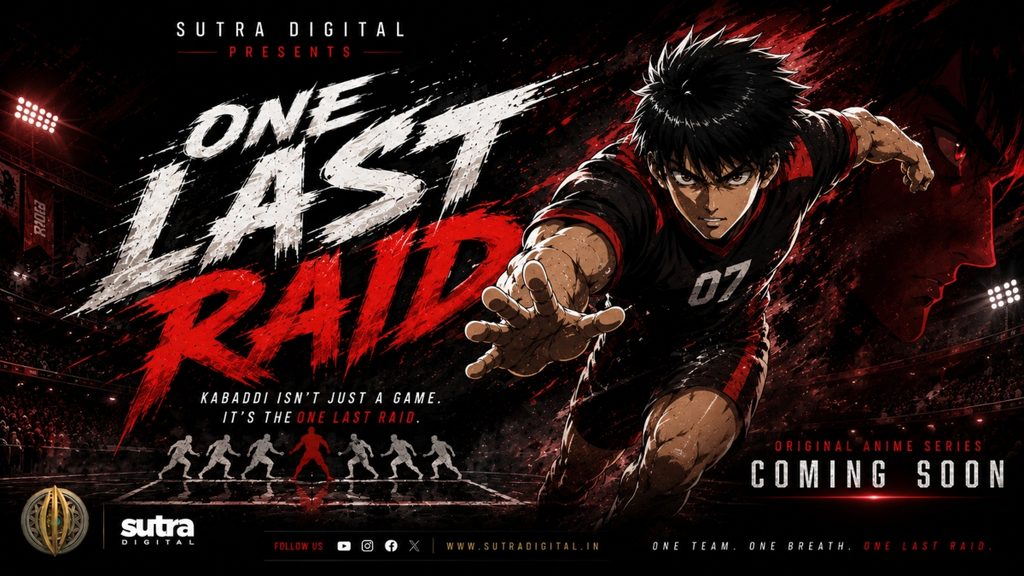
Baji retold the story of a Maratha warrior in anime-flavoured visuals. Mavale dipped into Indian folklore with a contemporary 3D look. The Last Raid dragged a high-stakes sports story onto anime turf. The Guardians of Pushpak gave Indian mythology a fresh animated coat of paint.
All four arrived pitch-ready, with decks and teasers in hand. “Our core belief is that Indian stories, told with world-class craft, can travel globally,” Sutra Digital chief operating officer Mahendra Saravanan told AnimationXpress.
The day job that paid for the dream
Service work was the other half of the Cannes plan. The studio wanted to grow its international 2D and 3D production business, with anime the hottest area.
It already worked hand in glove with Japanese studios, handling the full anime pipeline from time sheets and layout to genga (key animation), douga (in-between animation), shiage (digital paint) and compositing.
Saravanan said those ties were earned the hard way, through repeated market visits, face-to-face talks, test results and deliveries that never slipped. Tiffcom in Tokyo kept the Japanese relationships warm. Mipcom opened a door into Europe.
That door was already ajar. Sutra Digital was an animation partner on Orphan Yakuza, which was well received when pitched at Annecy. The Middle East was a steady earner too, with work for studios in the UAE, Kuwait and Egypt, including content built around Ramadan and Eid.
Service muscle, story soul
Founded by three women from the animation industry, Sutra Digital ran on a practical idea. “Our animation services business funds our original IP development,” said Saravanan.
The day job funded the daydreams. That let the studio develop its own titles without dancing to an outside financier’s clock, a useful cushion as commissioning budgets shrank and production bills climbed.
Technology was not sold as a magic wand. The studio used AI for audio and for generating shot and animation video, mainly to speed up exploration. In anime, hand-drawn key animation and clean-up still decided the quality of the finished frame.
The IP was being built for more than one screen, from animation and comics to gaming and digital content. An in-house gaming arm already ran titles such as Number Fusion, iVote and Find My Pet. The goal was to become a full-stack creative technology studio that owned its entertainment assets rather than simply rented out its hands.
The talent gap
Saravanan saw anime-style IP as an engine of India’s next phase of global animation growth. The catch was that specialised anime skills were thin on the ground, despite India’s deep pool of animators. Training and real production work would decide whether that gap closed.
The mood was shifting already. Studios in Japan, Europe and elsewhere now wanted Indian partners as creative collaborators, not just cheap outsourcing shops.
The decks were printed and the teasers were cut. Now the Maratha warrior had to win over a room full of buyers with chequebooks.
