
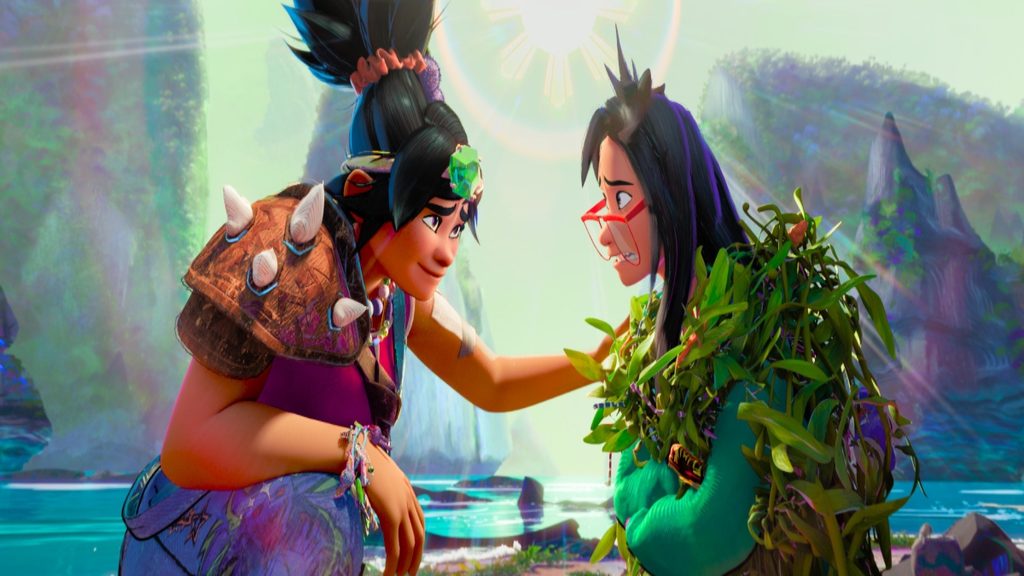
We all have that one person we can call our comfort couch. The one friend who stands by us through everything, who will do the craziest things for us and, more importantly, with us.
Forgotten Island feels like one such experience. The film takes you back to what it feels like to have a best friend by your side, someone who shares your adventures, your memories, your fears and even your most unexpected moments. Through its emotional story and fantastical characters, the film explores friendship in a way that feels both familiar and refreshing.
But while the story draws us in emotionally, there is another layer of craft that helps make these characters feel alive. Behind their hair, clothing, accessories and every carefully crafted movement is the work of the CFX team.
To understand what went into bringing Forgotten Island’s characters to life, AnimationXpress’ Pooja Thakkar spoke with DreamWorks Animation CFX Development Artist Pramita Mukherjee about the film’s creative and technical challenges.
Mukherjee explained, “The CFX team takes the designs created by the character department and translates the director’s vision into movement through elements such as hair, clothing and accessories.”
Having previously worked with directors Joel Crawford and Januel Mercado on The Croods: A New Age and Puss in Boots: The Last Wish, Forgotten Island presented a very different set of challenges for Mukherjee.
“It was a combination of many aspects that the director wanted to put into the film,” she shared. Making all these elements work together in motion was particularly demanding.
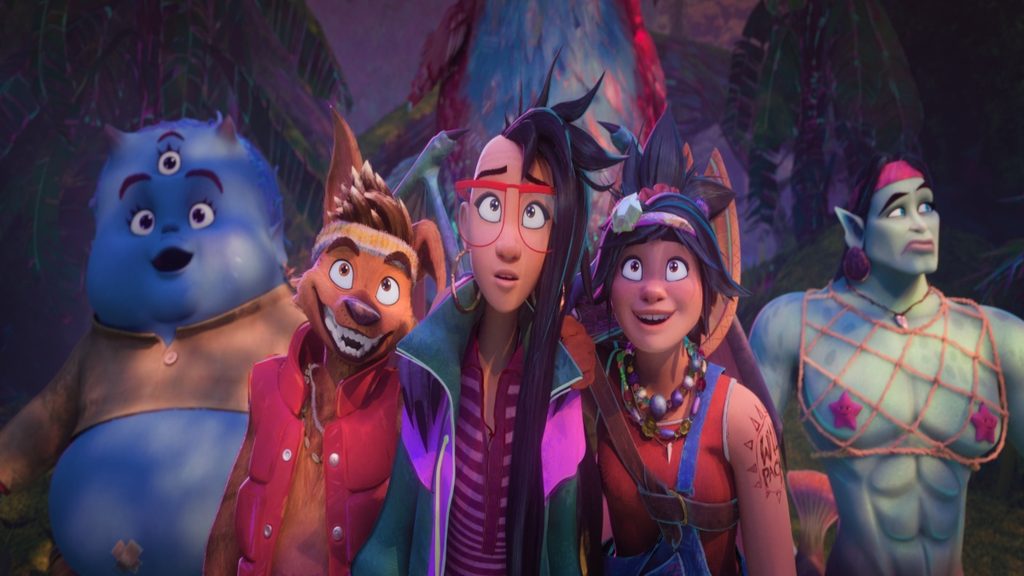
Among the characters, Raissa was the one she found most enjoyable to work on. Her design included several elements that had to move and interact naturally. These included long hair, wings, a backpack, jacket, glasses and earrings. By the end of the project, Raissa had become more than just a technically challenging character for Mukherjee. She was also one of the characters that taught her the most.
When asked about one of the biggest takeaways from Forgotten Island, Mukherjee shared that it was the opportunity to work with anime-inspired motion for the first time. Traditional CFX involves understanding how elements such as hair and cloth naturally respond to movement. However, the film required those principles to be adapted to a much more stylised visual language.
While the characters presented their own technical difficulties, Mukherjee pointed to another important element that required constant attention: the charms. The characters carry 28 charm pieces. Since the story revolves around them, maintaining their continuity throughout the film was essential. The CFX team had to ensure that the charms remained consistent, stayed in the right positions and contributed to the storytelling.
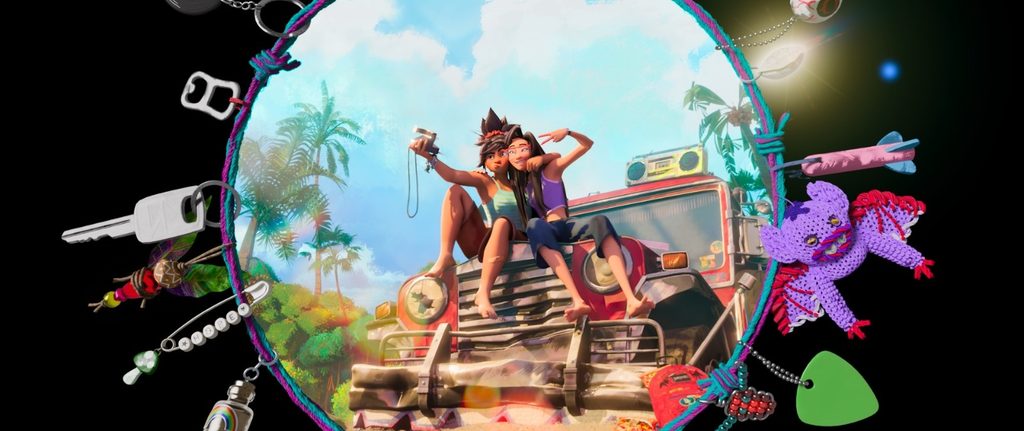
“It was a whole charm management that we actually did throughout the movie to make sure it’s consistent, it’s growing, and it’s telling the story.”
For her, Forgotten Island was not only an interesting animation project but also a story that connected with her personally. The film’s focus on friendship, memories and growing up resonated with her. Its emotional core, she felt, remains relatable across different age groups.
She was also drawn to the film’s mythological elements and the opportunity to explore Filipino mythology through its characters and world.
As an audience member, Pramita’s favourite character was Bungi, the film’s 200-year-old demon baby. She also enjoyed the Mermahn, particularly the humorous sequence involving him shampooing his hair.
“It was a fun challenge, and it taught me a lot.”
In the end, Forgotten Island is a reminder that the best stories are not just about the worlds we explore, but the connections we make along the way. And sometimes, bringing those connections to life takes a little bit of magic, a lot of craft and a team that knows how to make every detail count.
