
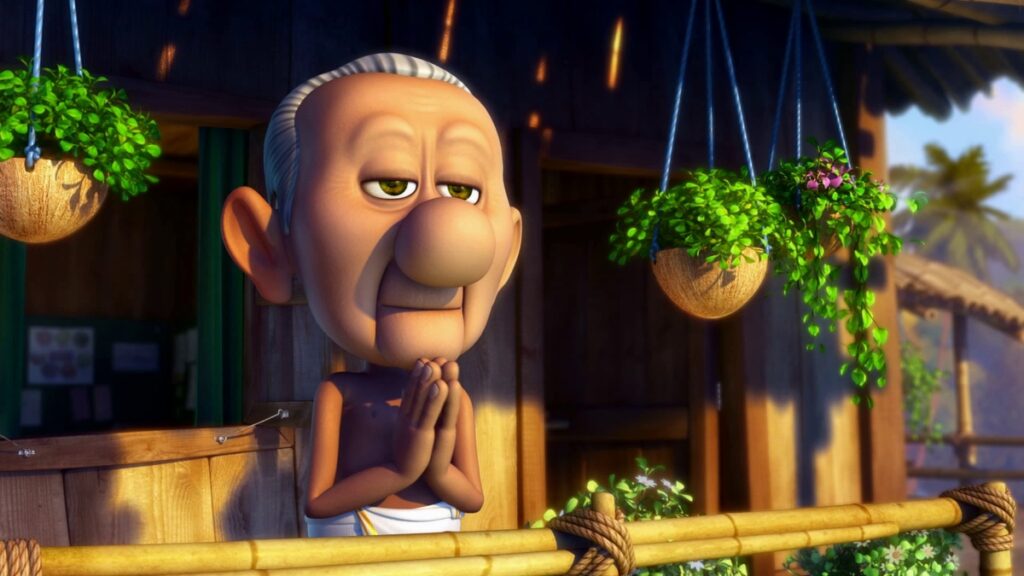
India has stories to spare. They have travelled by word of mouth for millennia, through the Vedas, the Upanishads, the Ramayana, the Mahabharata and the Panchatantra, shaping cultures and entertaining audiences long before streaming algorithms existed. Yet for all this narrative wealth, India’s animation industry has rarely managed to put homegrown tales on the big screen. Vaibhav Studios, the country’s only Emmy-nominated animation house, decided to fix that with Return Of The Jungle.
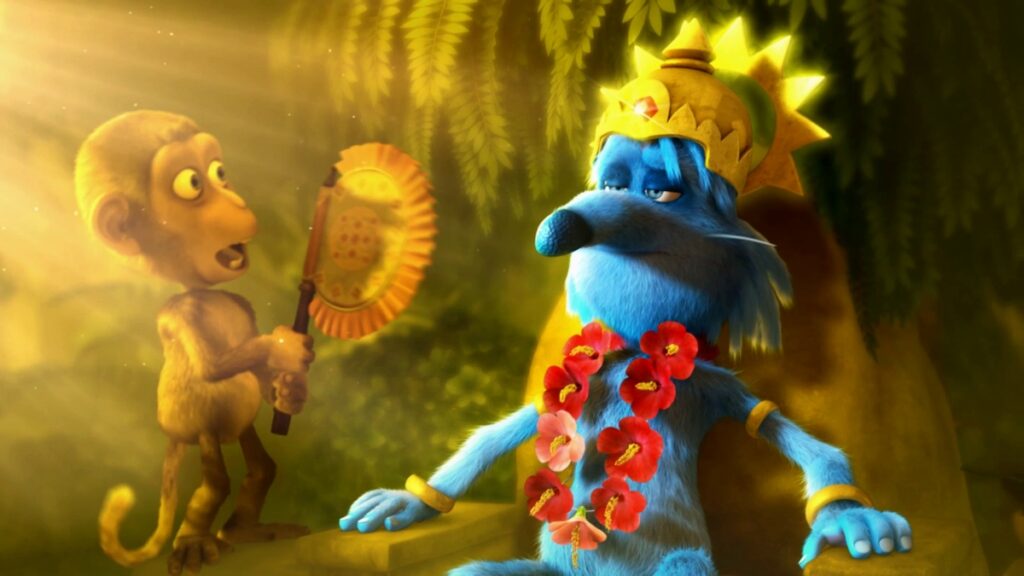
Directed by Vaibhav Kumaresh, the film reimagines the Panchatantra for modern audiences. It is also something rarer: an independent animated feature that took on India’s theatrical machine and refused to blink.
Kumaresh calls it the ultimate ambassador of Aatmanirbhar Bharat. “It is strongly vocal for local and gives a strong push to India’s rich indigenous stories. We want to create engaging animated content for local audiences first, especially at a time when India faces a huge onslaught of foreign animated content,” he said.
The film was never meant to be a one-off. Fifteen years in the making, it was conceived as a sprawling cultural IP; two more features are already in development, alongside spin-off series, comics, merchandise, games, and an animation-education arm.
Getting it to cinemas, though, was its own ordeal. Ranjit Tony Singh, chief creative producer, said the fight began long before the first ticket was sold. After the film was completed, the studio spent nearly two years chasing funds for marketing and release. Doors shut repeatedly. Eventually, the Kumaresh family stepped in with its own money to keep the project alive.
Even then, the studio had to build a marketing, distribution, and PR network from scratch, with partners who believed in the film rather than merely tolerated it. And the cinema hall, the place every filmmaker dreams of reaching, turned out to be the toughest hurdle of all. In an industry ruled by big studios and star power, independent films are typically handed the scraps: odd time slots, limited screens, and a release calendar stacked against them.
Then the audience did something studios hadn’t bargained for: they showed up, and kept showing up. Word of mouth spread between families. Children demanded sequels. Parents called it among the best outings they’d had with their kids. Some pushed for school screenings.
That groundswell did what marketing budgets couldn’t: cinemas handed over more screens and better timings. Three weeks after its release on 29 May 2026, the film is still holding firm against bigger competition, with strong occupancy reported across Mumbai, Delhi-NCR, Pune, Kochi, Bengaluru, Kolkata, Bhopal, Indore, Patna, Ahmedabad and Mohali, driven almost entirely by recommendation and group bookings.
For Singh, the bigger story is structural. India’s animation studios, he argues, need real support, merit-based promotional funding, tax incentives, better exhibition access, to get locally made films across the finish line. The talent exists. The stories exist. The audience, evidently, exists too. What’s missing is a system willing to back the final stretch, from edit suite to box office.
Return Of The Jungle was a bet that Indian audiences would choose Indian stories if given half a chance. Three weeks in, the odds look rather good.
