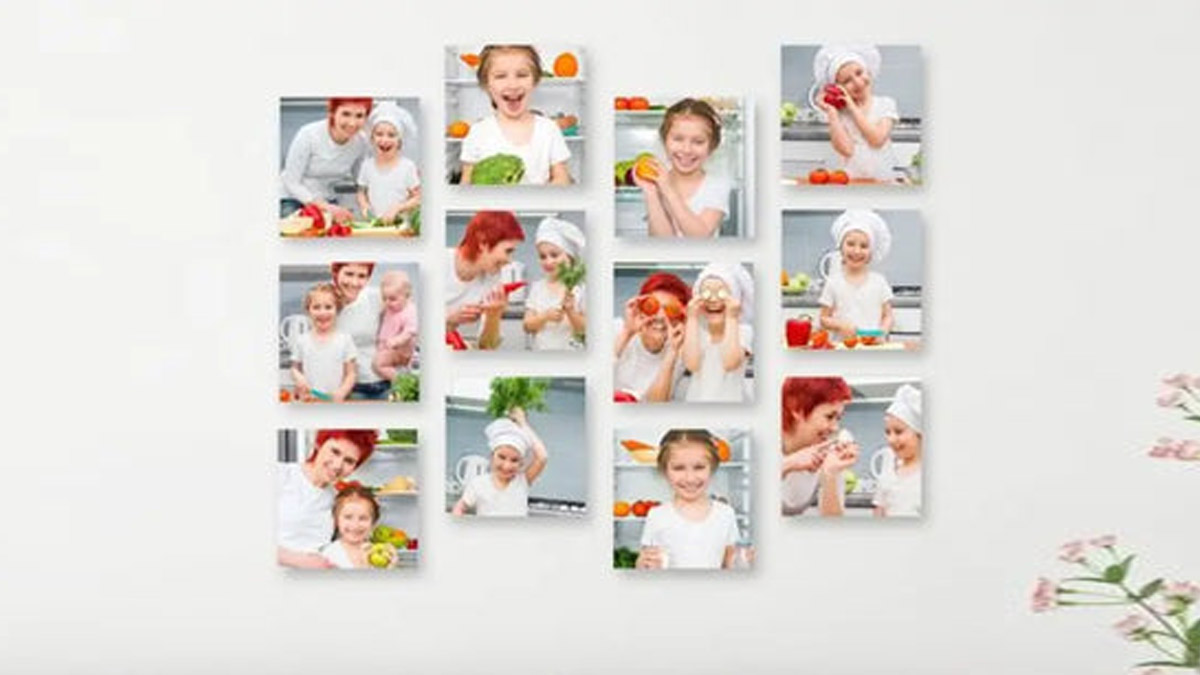
Wall art has long been an essential component of interior design, serving as both a decorative feature and a powerful tool for self-expression. In today’s design-conscious world, wall art goes far beyond simply filling empty wall space. It defines ambiance, enhances mood, and reflects the personality of those who inhabit a space. Whether displayed in a cozy apartment, a spacious home, or a professional office, wall art has the ability to completely transform surroundings. From traditional paintings to modern canvas prints and sculptural installations, wall art continues to evolve while maintaining its timeless appeal.
The Historical Evolution of Wall Art
The history of wall art dates back thousands of years to early cave paintings that depicted daily life and spiritual beliefs. Ancient civilizations used murals and frescoes to document stories, honor leaders, and celebrate culture. During the Renaissance, wall art became a refined expression of artistic mastery, often displayed in grand homes and cathedrals. Over time, advancements in printing technology made art more accessible to the general public. Today, digital printing and innovative materials have revolutionized the industry, allowing anyone to transform personal photographs and creative designs into stunning wall displays.
Why Wall Art Matters in Interior Design
Interior design is about creating balance, harmony, and emotional resonance within a space. Wall art plays a central role in achieving these goals. A room without art can feel sterile or incomplete, no matter how stylish the furniture may be. Art introduces color, texture, and visual interest, tying together various design elements. A bold statement piece can anchor a living room, while subtle artwork can soften a minimalist environment. Wall art provides depth and personality, ensuring that interiors feel curated rather than generic.
Types of Wall Art for Every Style
The variety of wall art options available today ensures that there is something for every taste and design preference. Canvas prints offer a gallery-style look with textured appeal. Framed prints provide a timeless and elegant finish. Metal and acrylic prints introduce modern sophistication with vibrant colors and sleek surfaces. Wall murals create immersive experiences by covering large areas with dramatic imagery. Wooden panels and sculptural art add three-dimensional texture, while textile wall hangings bring warmth and softness. Each style contributes uniquely to interior aesthetics, allowing homeowners to tailor their décor to their vision.
Choosing the Right Wall Art
Selecting the right wall art involves considering size, placement, color, and subject matter. Proportion is crucial; oversized art works best in spacious rooms, while smaller pieces complement compact areas. Color coordination helps establish harmony within a room. Artwork can either blend with existing tones or provide contrast to create visual excitement. Subject matter should align with the room’s purpose. Calm landscapes are ideal for bedrooms, abstract art energizes creative spaces, and family portraits bring warmth to living rooms. Thoughtful selection ensures that wall art enhances rather than overwhelms the space.
Creating a Gallery Wall
Gallery walls have become increasingly popular as a way to showcase multiple artworks in a cohesive arrangement. This approach allows for storytelling through a collection of images, prints, and artistic styles. Achieving balance is key. Mixing frame styles and sizes adds personality, but maintaining consistent spacing and a unified theme prevents visual clutter. Planning the layout before installation ensures a harmonious result. Gallery walls are perfect for displaying travel photography, personal milestones, or curated art collections.
Wall Art in Commercial Spaces
Wall art extends beyond residential interiors and plays a significant role in professional environments. Offices use artwork to inspire productivity and reinforce brand identity. Restaurants and hotels rely on carefully selected art to enhance ambiance and create memorable guest experiences. Retail spaces incorporate wall décor to align with branding and attract customers. In these settings, wall art contributes to atmosphere, influences perception, and leaves lasting impressions.
Personalization and WallPics
Personalized wall art has become a defining trend in modern décor, as individuals seek meaningful pieces that reflect their experiences and values. Custom photo prints, family portraits, and milestone celebrations are increasingly popular choices. Brands like WallPics have embraced this movement by offering innovative solutions that allow customers to transform cherished images into stylish wall displays. WallPics focuses on combining quality craftsmanship with ease of installation, enabling individuals to create personalized arrangements that suit their unique spaces. By prioritizing flexibility and modern design, WallPics supports the growing demand for décor that is both expressive and practical.
Frequently Asked Questions (FAQ)
How do I determine the right size of wall art?
Measure your wall space and aim for artwork that fills approximately two-thirds of the width above furniture for balanced proportions.
Can wall art change the mood of a room?
Yes, colors and imagery significantly influence emotional perception and atmosphere.
Is it okay to mix different styles?
Mixing styles adds character, but maintaining a cohesive color palette helps unify the look.
How high should wall art be hung?
The center of the artwork should typically be positioned at eye level, around 57 to 60 inches from the floor.
Conclusion
Wall art remains one of the most powerful and transformative elements in interior design, influencing not only how a space looks but also how it feels. It enhances visual appeal, reflects individuality, and transforms blank walls into meaningful focal points that tell a story. More than a decorative afterthought, wall art serves as a defining feature that completes a room’s identity. It has the ability to unify various design elements such as furniture, lighting, color palettes, and textures, bringing harmony and balance to the overall environment. A thoughtfully chosen piece of art can instantly elevate a simple room into a sophisticated and inviting space.
One of the most remarkable aspects of wall art is its versatility. Whether through traditional paintings that add timeless elegance, modern prints that introduce bold creativity, or personalized displays that capture cherished memories, wall art adapts to every style and preference. It allows homeowners and designers to experiment with themes, moods, and visual narratives without making permanent structural changes. A single statement piece can anchor a living room, while a curated gallery wall can create depth and storytelling in hallways or bedrooms. This flexibility makes wall art accessible and practical for both small apartments and expansive homes.
Wall art also plays a significant emotional role in our daily lives. The imagery we surround ourselves with can influence mood, productivity, and overall well-being. Calm landscapes may promote relaxation after a long day, while vibrant abstracts can energize creative thinking. Personalized artwork featuring family moments or inspirational messages fosters connection and positivity. In this way, wall art becomes more than décor—it becomes part of the emotional atmosphere of a space, shaping experiences and memories within it.
In professional and commercial settings, the impact of wall art is equally significant. Offices use art to inspire innovation and reflect company culture. Hospitality spaces rely on artwork to create ambiance and memorable impressions for guests. Retail environments integrate wall décor to strengthen brand identity and attract customers. Across all these settings, wall art serves as a silent communicator, reinforcing themes and influencing perception.
As design trends continue to evolve, wall art remains timeless because of its adaptability and expressive power. Advances in printing technology, sustainable materials, and customization options have expanded possibilities, making it easier than ever to create meaningful displays. Despite these innovations, the core purpose of wall art remains unchanged: to express identity, evoke emotion, and enhance surroundings. Ultimately, wall art continues to shape the way we experience our spaces, turning empty walls into vibrant expressions of personality, creativity, and inspiration.

