Some ideas will not leave you alone. They sit in the dark and wait.
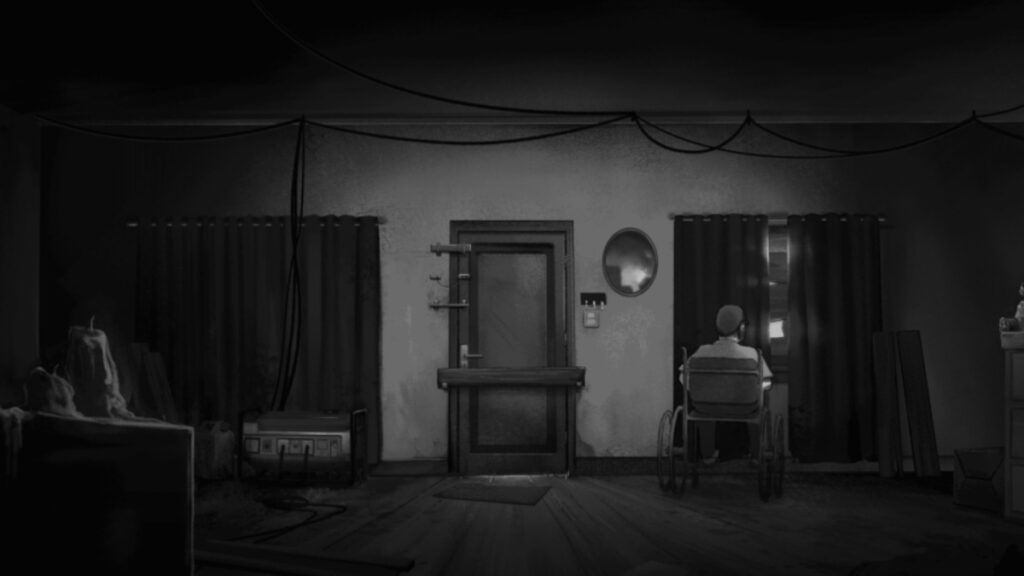
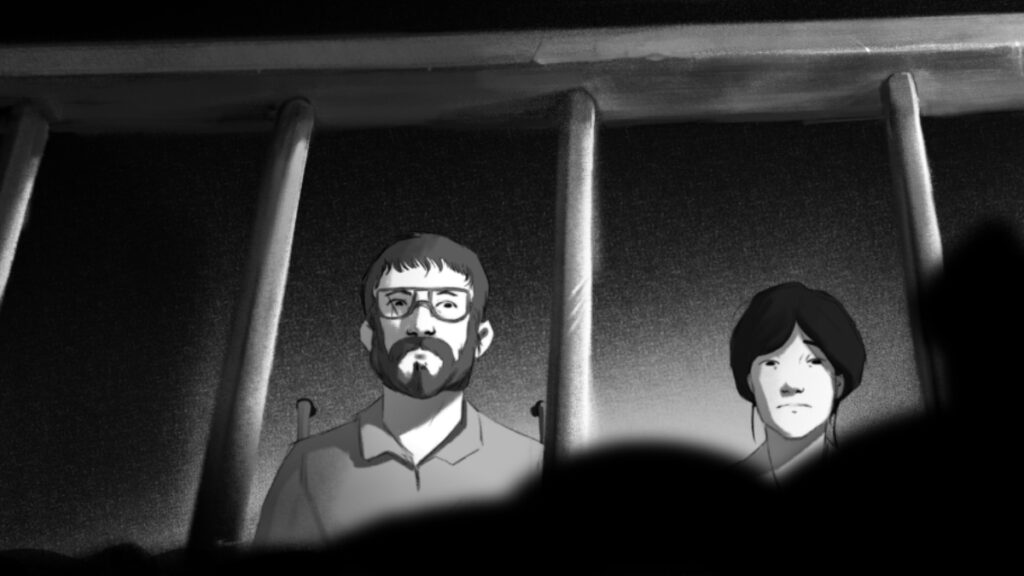
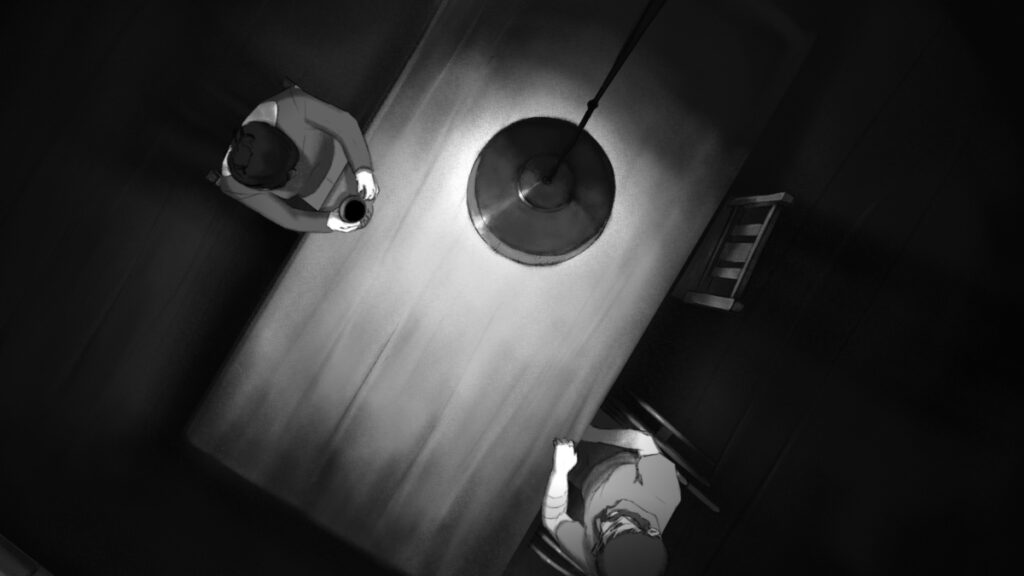
Imanol Ortiz López knew the feeling. Hunger, his animated short, began as a short story by horror writer David Jasso, a psychological nightmare with roots in something uncomfortably real. Jasso had drawn from personal experience before twisting it into something surreal and brutal. That collision of autobiography and dread is what hooked Ortiz López. He filed it away and waited until he could do it justice. When he finally did, he stripped out all colour. Black and white only. For most filmmakers, colour is the primary emotional instrument. For Ortiz López, its absence became the instrument instead.
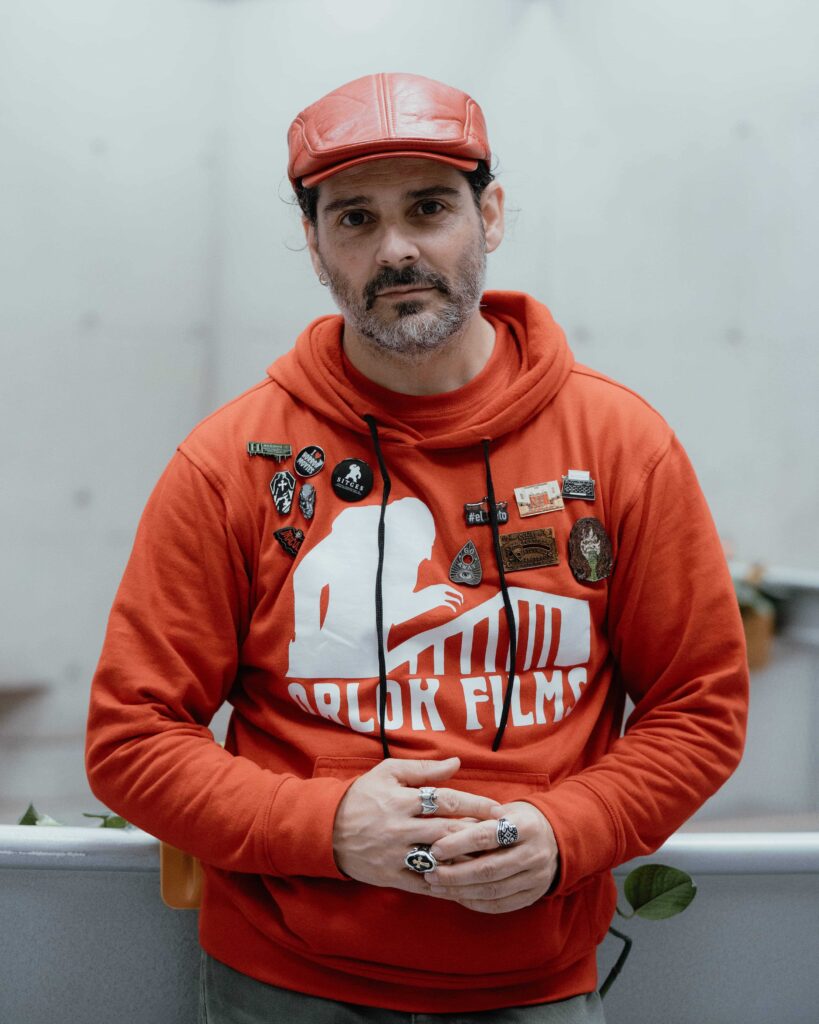
Imanol Ortiz López
The film will premiere on 24 June in Annecy’s Grande Salle, Bonlieu, as part of the festival’s midnight short lineup. Close to a thousand people are expected to watch it for the first time in one of animation’s most storied rooms. For a filmmaker who founded his production company, Orlok Films, only in 2023, specifically to bring his stranger visions to life, the moment carries considerable weight.
Hunger is, at its core, about parenthood pushed to its limits. A painful reckoning with sacrifice, love, and impossible choices, it poses a question the audience is left to sit with long after the credits: can love alone keep a family alive when survival itself is in question? The story, Ortiz López said, felt “universal and deeply human”, which is, of course, what makes it so unsettling.
His cinematic reference points are unapologetically ambitious. German expressionism looms large: Fritz Lang’s Metropolis, F W Murnau’s Nosferatu, Robert Wiene’s The Cabinet of Dr Caligari. Then the modern Koreans, Park Chan-wook, Bong Joon-ho, Na Hong-jin, filmmakers who understand that dread is most effective when it is grounded in the recognisable. What connects all of them, for Ortiz López, is an understanding that horror is not decoration. It is excavation. A way of getting at wounds that ordinary storytelling politely avoids.
But it is sound, more than image, that he considers his sharpest tool. “I sometimes focus even more on sound than visuals,” he said, and he means it. The theory is straightforward and correct: fear lives in what is just out of sight, the breath behind a closed door, the silence that stretches one beat too long. Hunger is built on that principle. The sound design does not illustrate the horror; it generates it, leaving the audience’s imagination to finish the job. What remains unseen, Ortiz López knows, is almost always worse.
The film arrives at Annecy not as a calling card but as a statement of intent. Orlok Films already has Mono Rojo (Red Monkey) in development, another animated short, this time leaning harder into expressionist visuals, and Ortiz López is also preparing his first live-action feature, #elreto (#thechallenge), before the year is out.
“We have more projects than time,” he said, laughing.
Given what he has already dragged out of the dark and onto the screen, that is very good news indeed.