US public broadcaster PBS Kids has revealed a new content lineup from their fan-favourite series.
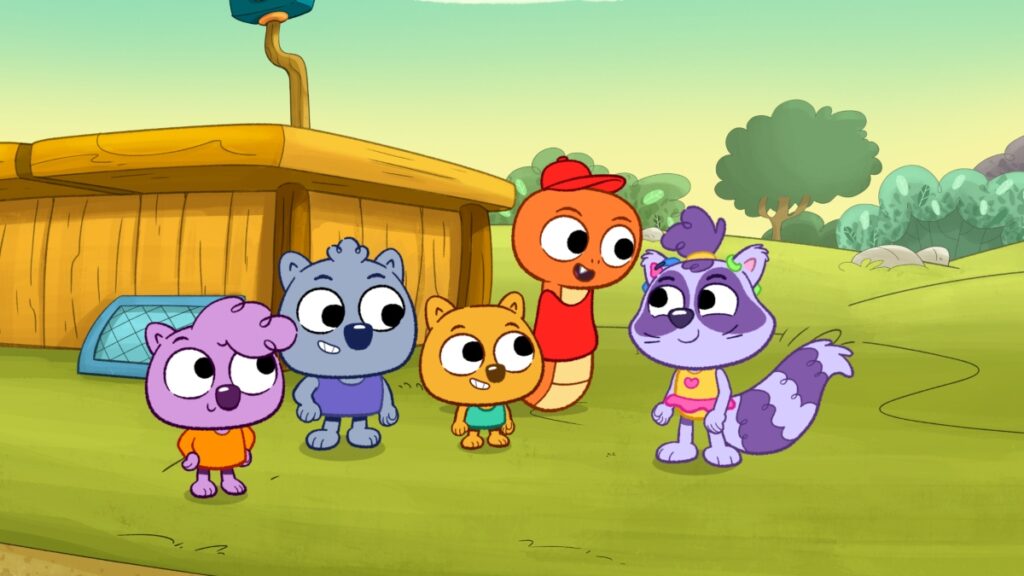
Starting on 30 March 2026, and in recognition of Autism Acceptance Month, PBS will premiere four new episodes of the animated preschool series Carl the Collector. Created by author Zachariah Ohora, the series continues to explore themes such as building self-confidence, navigating emotions, and resolving conflicts. Watch the character, Carl, as he scoops up fun at an ice cream festival, learns new routines, adjusts to wearing a wrist cast, and camps out in fuzzytown with his friends.
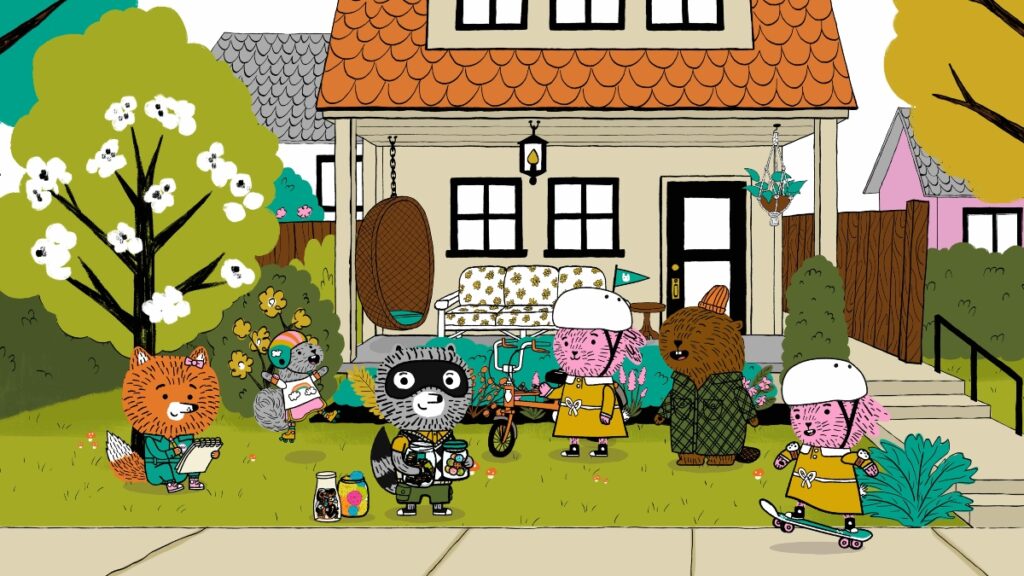
On 3 April, Work It Out Wombats! will return with a special episode featuring American Sign Language (ASL) interpretation. In the episode “Bex Splash Fest/Mural Mayhem,” the characters are introduced to Bex. She’s hard of hearing and wears hearing aids. She reads lips. She signs. And when the waterslide activity splashes away sound, the Wombats find new ways to communicate. The story then shifts to creativity and collaboration, as the wombats take on the challenge of designing a mural of their own.
The Emmy-winning Odd Squad will return on 6 April with six new episodes. The series has been co-created by Tim McKeon (Adventure Time, Foster’s Home for Imaginary Friends) and Adam Peltzman (Go, Dog, Go!, Blue’s Clues). Known for blending humour with problem-solving, the series introduces new agents, inventive gadgets, and unusual cases that continue to make math concepts accessible and engaging. Alongside this, Odd Squad UK expands the universe with new characters and storylines, while digital gaming shorts will be released on the PBS Kids YouTube channel starting on 3 April.
This April, in celebration of Earth Day, Cyberchase, Wild Kratts, and Elinor Wonders Why will be live with new episodes.
Cyberchase will return with environmental-themed episodes where characters will explore the importance of biodiversity and highlight repair and sustainability.
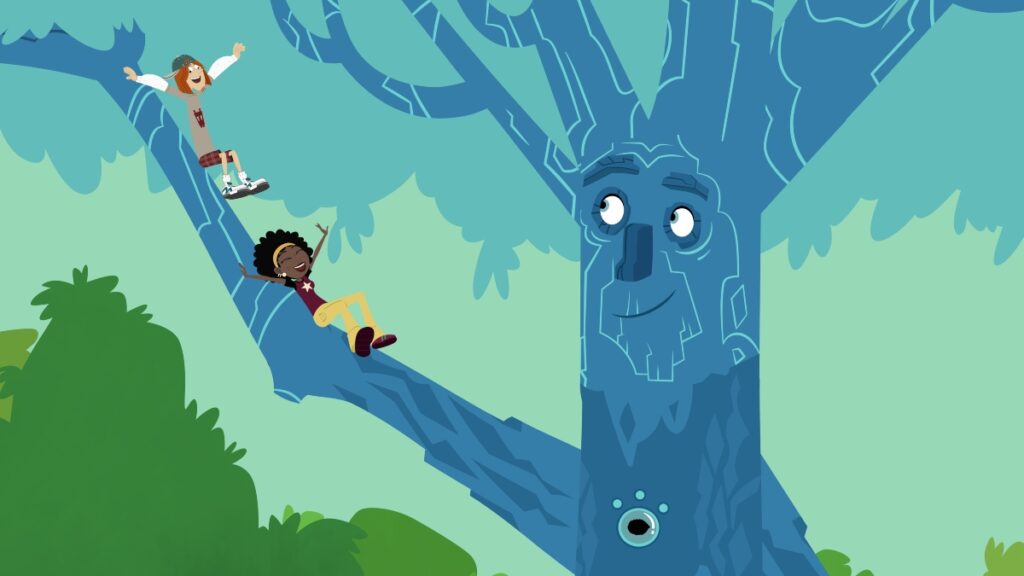
In one episode of Wild Kratts, the characters Martin and Chris stumble upon a rare butternut tree and begin searching for its parent. Along the way, they discover several dead and damaged trees. Their investigation leads them to question why some trees are dying while others survive. Could genetic coding be the answer?
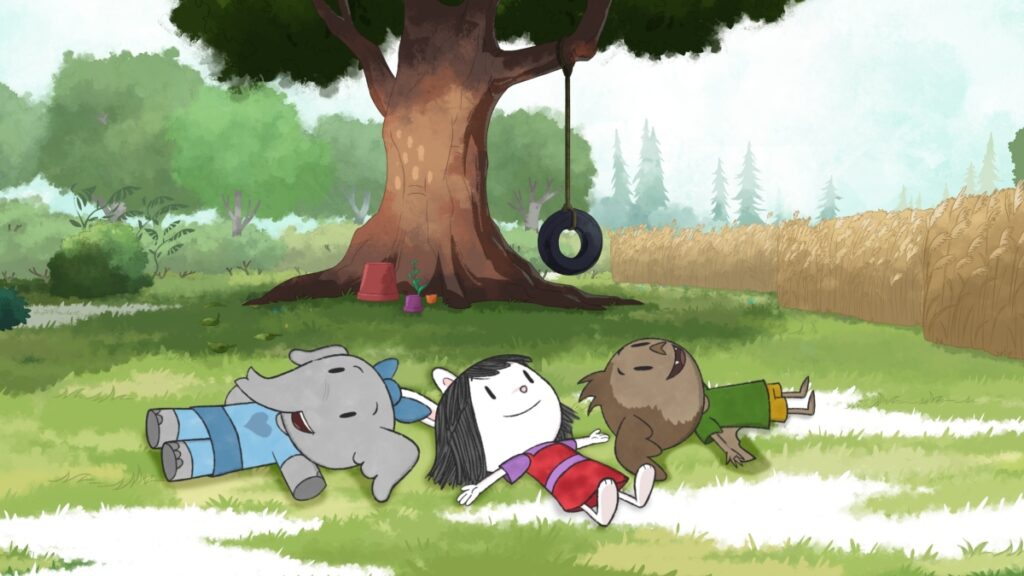
In Elinor Wonders Why, everyday situations such as melting chocolate or managing a difficult day, become opportunities to explore scientific thinking and emotional awareness through observation and nature.