
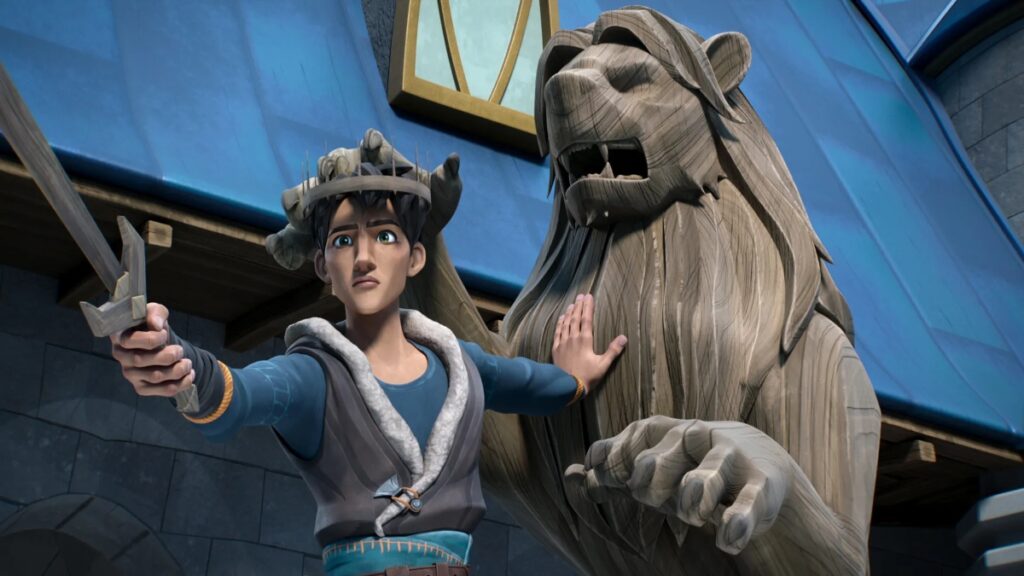
There are easier ways to make a fantasy series than filling it with werewolves, lionlords, shark-shifting pirates, dark magic and characters whose loyalties can change before the audience has even had time to catch its breath.
Wolf King chose the hard way!
Based on Curtis Jobling’s Wereworld novels, Netflix’s animated fantasy series follows Drew Ferran, a teenager who discovers that he is the last in a long line of werewolves, and the rightful heir to the throne. The first season introduced audiences to its world of werelords, kingdoms and shifting alliances. By season two, however, the gloves, and, quite literally, the human skins, were coming off. Spanning eight episodes, season two is currently the latest and concluding chapter of Wolf King, though the world of Wereworld may still have more stories left to tell.
For Mumbai-based Assemblage Entertainment, which provided animation production services on both seasons, that meant the challenge was no longer simply establishing the world. It was figuring out how far that world could be pushed. And, according to Assemblage animation director Chetan Tahashildar, the answer was: quite far.
It started with something as simple as a shape
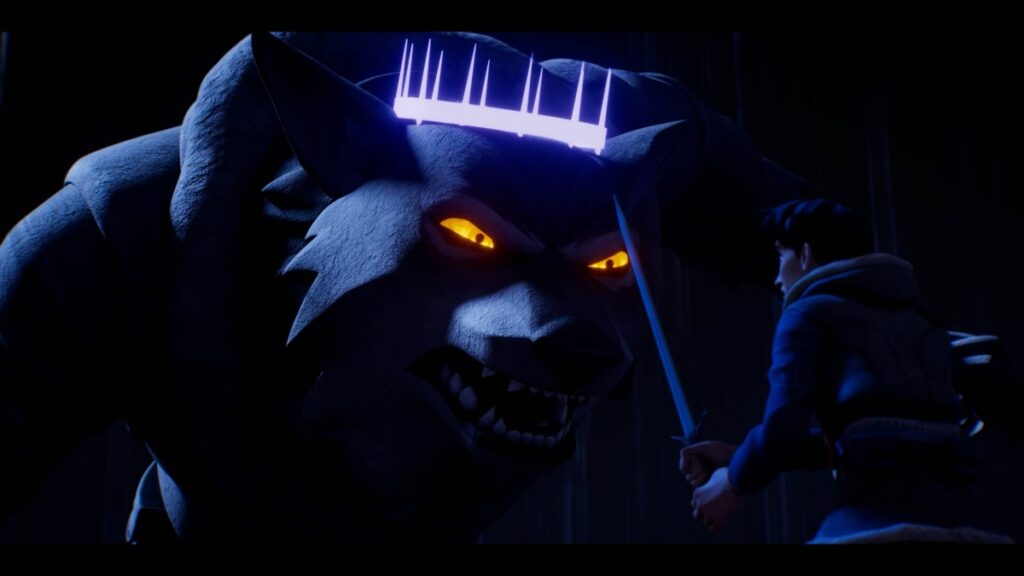
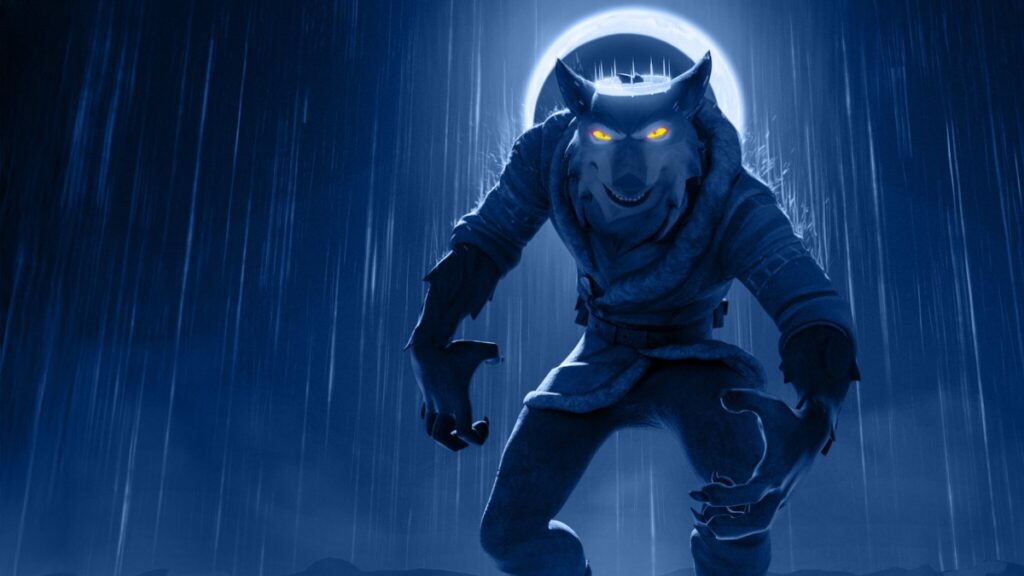
Wolf King has always had a particular visual identity. Chetan explained, “The contour and the silhouette of the body, face, or any of the structure were not rounded. They were edgy.” The team wanted Wolf King to feel less like a conventional animated series and more like a comic book in motion. “The idea was, like, you are not reading the comic, but you are watching the comic,” Chetan shared with AnimationXpress.
Why animation? The answer was in the look
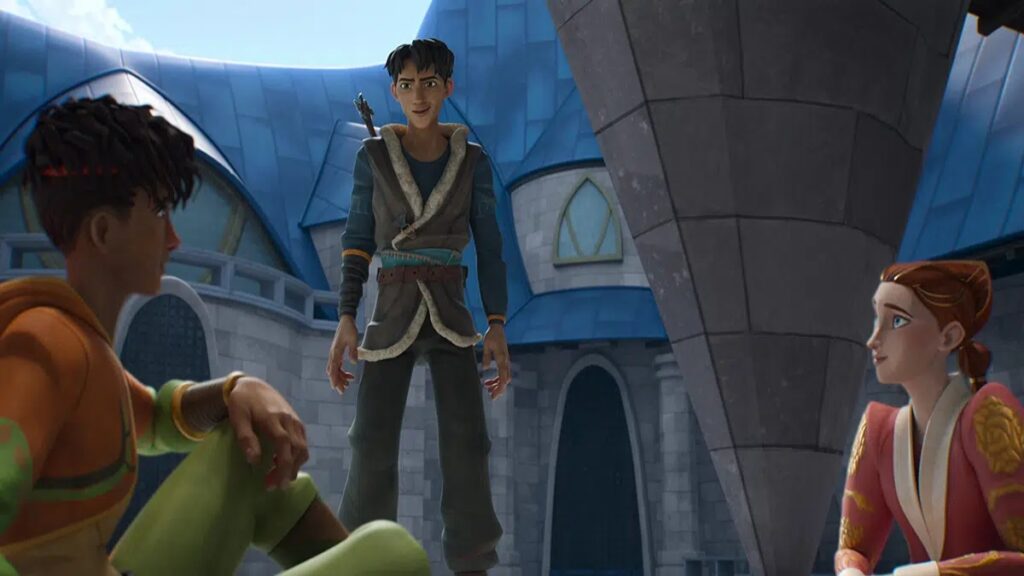
The show was being developed during the period when stylised animation, particularly the visual language popularised by films such as Spider-Man: Into the Spider-Verse, was demonstrating just how far animation could depart from conventional movement. For Wolf King, that meant the medium wasn’t merely a production format. It was part of the artistic choice. The angular designs, graphic environments and animation on twos allowed the series to create a world that could feel heightened and stylised without losing the physicality of its characters. The result is a fantasy world where humans can become animals, animals can become weapons of war, and apparently even a shark can have a dramatic character arc.
Season two: Same wolf, much bigger bite
So what changed between season one and two? Chetan’s answer might initially surprise fans expecting a completely new animation approach. “Frankly speaking, there is nothing,” he shared. The show, after all, remained the show. But the people making it had changed.
Chetan said the team had to determine “where we can cut” and how to use those cuts without making the sequence feel like “a patchwork” that had been stitched together. That freedom was also a sign of something bigger: by season two, Assemblage had earned enough understanding of the production’s visual language to make those decisions independently.
Meet Vega: the shark with a lot going on
Vega, the show’s happy-go-lucky character who can transform into a shark, became one of the more interesting animation challenges for the team. At first glance, a character becoming a shark sounds like exactly the sort of thing an animation studio would happily sign up for. But Vega isn’t difficult simply because he’s a shark. His challenge is emotional. Chetan explained that Vega can shift from being carefree to suddenly becoming more responsible and emotional, sometimes within “a fraction of time.” That meant the animators weren’t only dealing with a creature transformation. They were dealing with a performance transformation. The shark was the easy part. Making the audience believe there was still a person underneath it was the real work.
The character who quietly changes everything
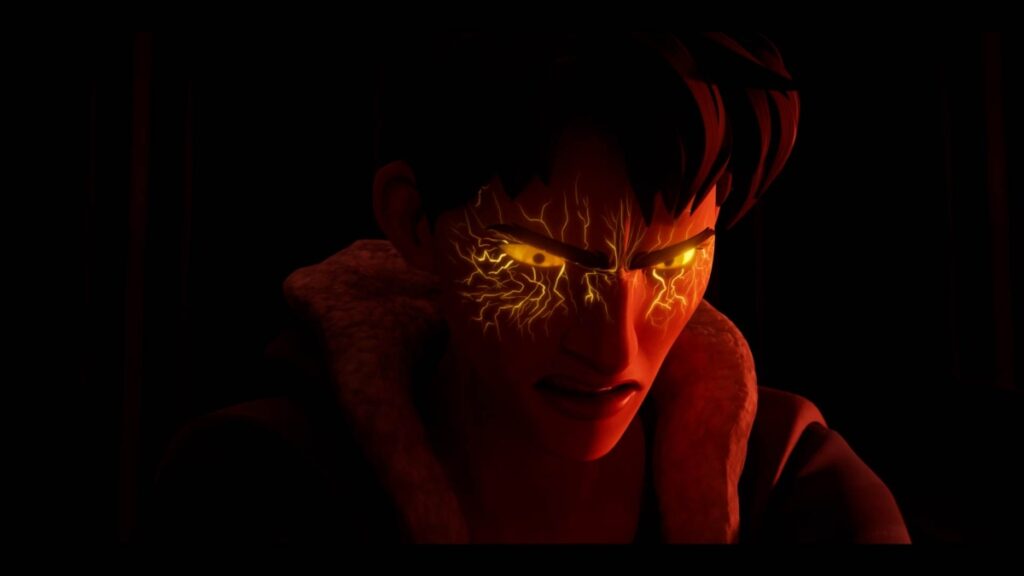
If there is one character Chetan is especially proud of, it is Hector, Drew’s friend. Hector begins as an apparently innocent character, someone who doesn’t necessarily understand the larger forces moving around him. But as the story progresses, his relationship with dark magic begins to alter his trajectory. And this is where the animation team had to do something considerably harder than making a convincing creature. They had to make a convincing character transformation.
Chetan described Hector as evolving into a “strong” and morally grey character, with the team working to capture that emotional transition on screen. The significance becomes even greater when viewed against the larger Wereworld story. The series is adapted from Jobling’s six-book saga, and Hector’s trajectory becomes increasingly important as the story develops. Chetan is careful not to give too much away, but he said, “Hector is a character you will absolutely fall in love with.”
So… is the wolf really gone?
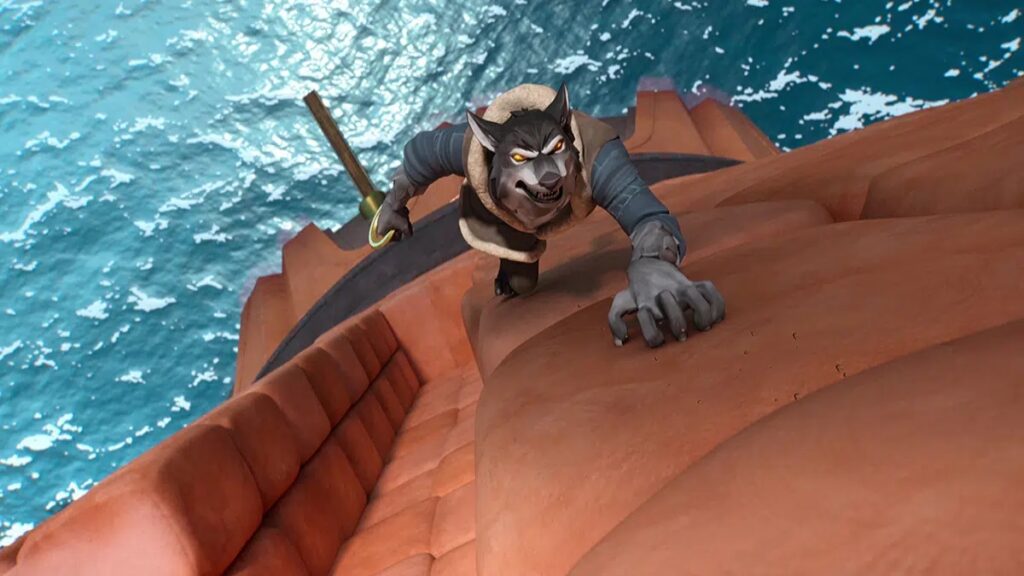
Here’s where things get interesting. Officially, Netflix describes season two as the finale, and the streamer currently lists Wolf King as a two-season series. But the world of Wereworld is considerably bigger than the two-season adaptation. Chetan points out that Jobling’s original story spans six volumes, while the animated series covers only part of that larger literary universe. He also notes that there had been thoughts around continuing the story.
His answer to the season three question? “I will not say soon.” But he doesn’t close the door. “Never say never,” he added, pointing out that while the series may have reached its current endpoint, “the world is huge, … the book is huger than that.”
And perhaps that’s the most appropriate way to leave Wolf King. The crown may have reached its current resting place. The story, however, has considerably more territory to explore. For now, season two stands as the finale, but if the wolf ever does return, Assemblage already knows exactly what it takes to bring that world back to life.
After all, they have already survived the shark.
