
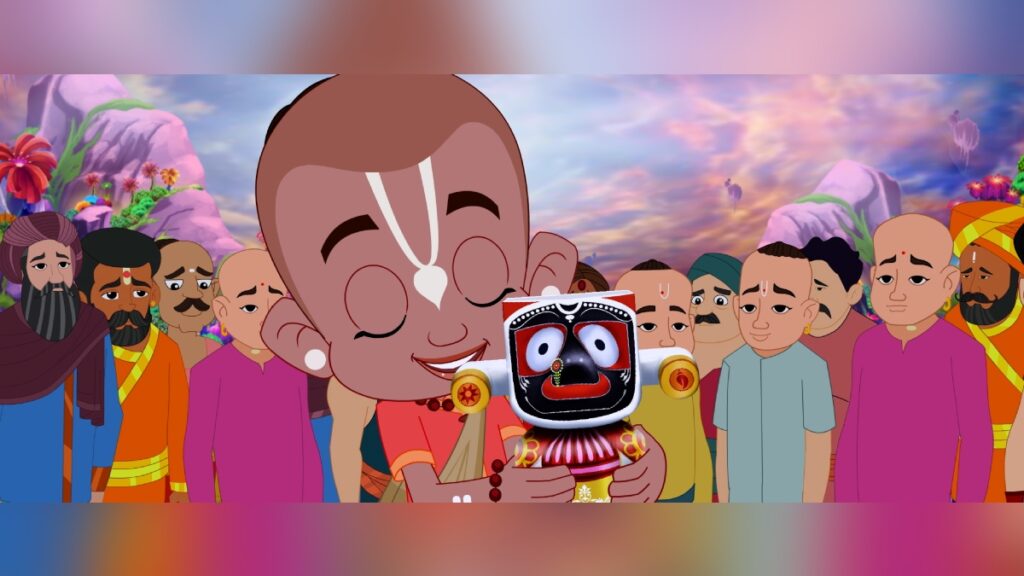
A story could sit inside a culture for centuries, painted on temple walls and sung at festivals. Then someone decided it belonged on a cinema screen. That leap was where Durga Prasad Dalai had staked his studio.
The founder and chief executive of Ele Animations had taken Mahaprabhu Jagannath, a tale steeped in Odisha’s spiritual life, and pushed it into theatres. For him it was not a business punt.
“This film was much more than a theatrical release,” he said. “Mahaprabhu Jagannath was a story and a culture that I had grown up with, and bringing it to the big screen had been a deeply personal journey.”
He would not oversell it as some grand industry turning point. But he did spot an opening. Ele wanted to make theatrical animation rooted in Indian soil, not simply borrow formats cooked up elsewhere.
“Indian animation had a very long way to go,” he said, “but the fact that audiences were willing to watch an Indian animated feature in theatres gave us confidence that the opportunity was much bigger than what the industry had traditionally believed.”
For years Indian animation had been boxed into children’s slots and warmed-over versions of familiar characters. Dalai reckoned that box was starting to crack. Creators were reaching for stories with cultural roots, while audiences had grown a sharper eye from watching bold animation from around the world.
Asked what had shifted most in five years, he did not point to fancier kit. He pointed to hunger for original Indian intellectual property. Tools had improved, but tools were only half the job. India’s mythology, history, folklore and literature sat there barely touched.
“The next phase of Indian animation should be about building original Indian worlds and characters that can travel beyond India,” he said.
Indian studios had long been the reliable hands behind other people’s blockbusters. Dalai wanted his lot to stop taking orders and start writing them.
“The biggest gap was scale of ambition,” he said. “We had artists and technicians who could work at a global level. But we needed to think beyond being a production destination and become creators and owners of IP.”
That thinking travelled with him to Mipcom Cannes. He was open to co-productions, distribution and financing, but he was not chasing a one-off cheque.
“I was particularly interested in finding partners with whom we could build something for the long term rather than simply make a transaction around one project,” he said.
What made a foreign buyer look up? Story, he insisted. Production economics and good visuals could open the door. What made them remember the project was the world behind it.
Indian tales, he argued, carried a built-in edge. They could be rooted in one specific place and still hit an emotional nerve anywhere. Authenticity was non-negotiable.
“I strongly believed in authenticity,” he said. “The world didn’t need India to become less Indian in order to be understood.”
Mahaprabhu Jagannath proved the point. It was Odisha to its core, yet its themes reached well past the map.
On artificial intelligence he drew a firm line. It would shake up pre-production, storyboarding, asset building and the repetitive grind. It would not replace the storyteller.
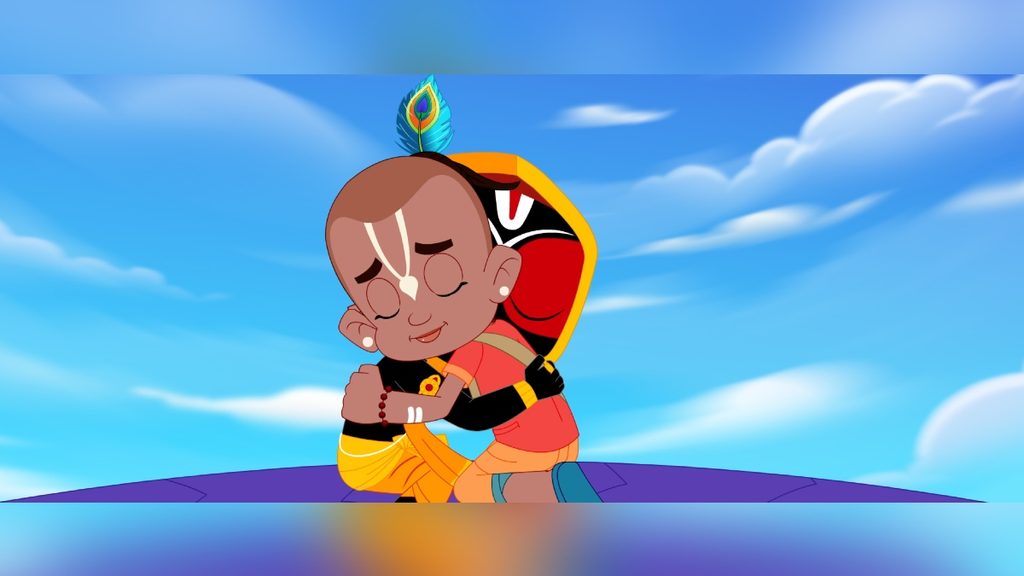
“I didn’t believe AI could replace the fundamental role of a storyteller,” he said. “The decision about what a character should feel, why a story should be told, what cultural detail mattered and what emotion we wanted an audience to carry home, that had to remain human.”
His verdict was neat. Technology should give creators more freedom, not take creative ownership away from them.
Back at Mipcom he returned to the myth he most wanted busted. Indian animation was not just a cost-effective production destination. The real treasure was the material itself: thousands of years of history, hundreds of cultures, a teeming cast of legends still waiting for their close-up.
“There was a new generation of Indian creators who didn’t just want to execute someone else’s ideas,” he said. “We wanted to create, own and take our stories to the world.”
Mahaprabhu Jagannath was his opening gambit. The god had left the temple. Now Dalai wanted him to conquer the multiplex, and then everywhere else.
