
The Industrial Design Centre (IDC) at the Indian Institute of Technology (IIT) Bombay opened the First Films Fest (FFF), beginning a three-day celebration on the IIT Bombay campus. The event is taking place from 30 January to 1 February.
Dedicated to first-time animation directors, the festival aims to foster innovation, collaboration, and excellence in debut filmmaking. Day one introduced audiences to the spirit of the initiative, which provided a platform for emerging filmmakers to showcase their work, engage in industry discussions, and build networks bridging academia, creativity, and the global film market.
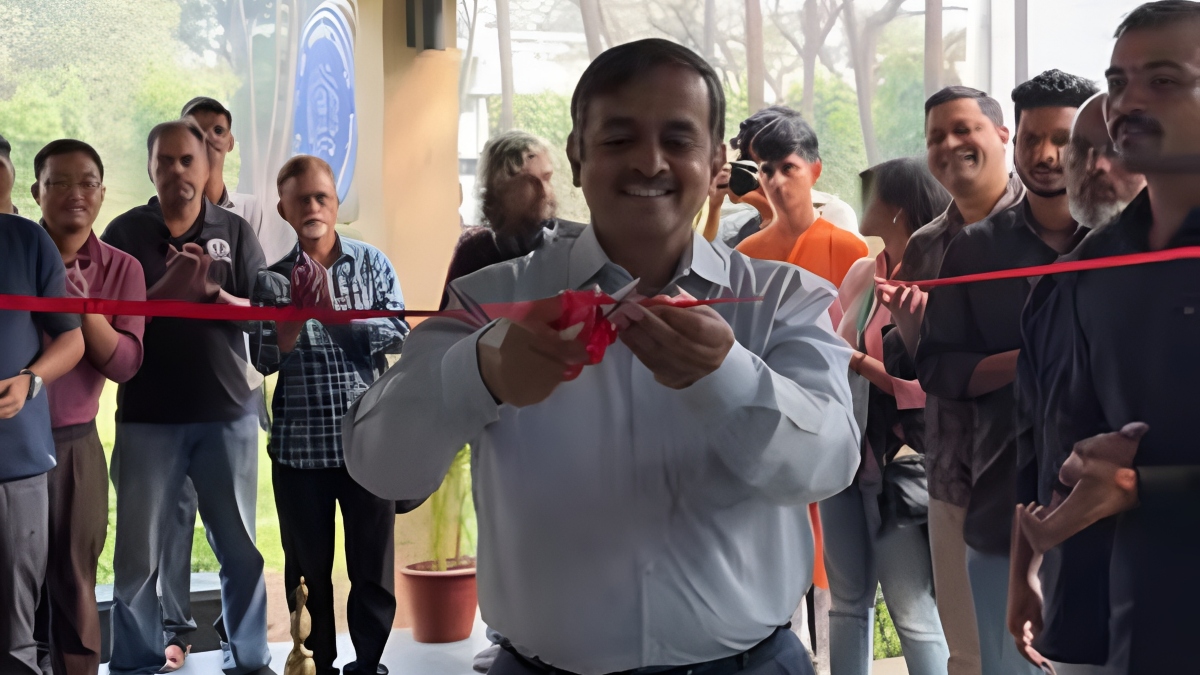
The day began with the formal inauguration. The opening ceremony set the tone for the three-day celebration, welcoming participants, filmmakers, and audiences. Following the ceremony, sessions ran in parallel across three halls: the IDC Auditorium, Mini Theatre, and LT-PCSA room.
The first session of the day titled Rite of Passage: First Films IDC took place at the LT-PCSA hall. The speaker for this session was professor Shilpa Ranade who explored the challenges and creative breakthroughs that define a director’s debut work. Drawing on examples from animation practice and pedagogy, the discussion highlighted how first films serve as both a learning ground and a statement of artistic intent.
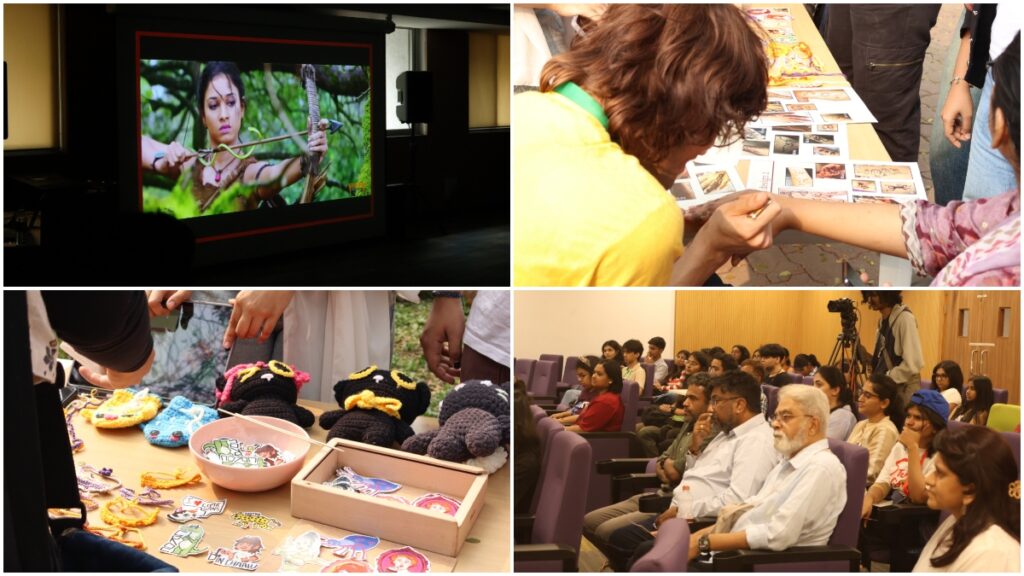
At the same time, the BDes-3 Studio at RBTIC hosted Into the Manhole, an immersive VR experience. Designed exclusively for attendees at the IDC campus, the installation invited participants to explore interactive storytelling within a virtual environment. Scheduled to run across the first two days of the festival, the experience offered visitors repeated opportunities to engage with its distinctive blend of animation, technology, and narrative experimentation.
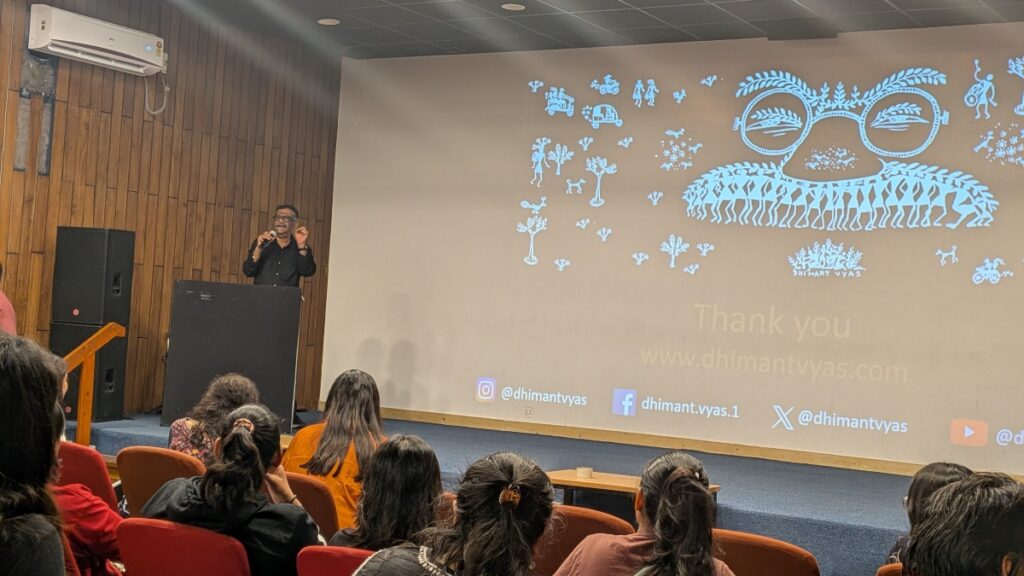
Another session post lunch in the IDC Auditorium was Unfolding behind the scenes of Sitaare Zameen Par and Taare Zameen Par title animations. It was conducted by IDC, IIT Bombay professor of practice and filmmaker Dhimant Vyas. The session offered audiences a glimpse into the creative process behind two of these projects. Vyas walked participants through the artistic choices, design challenges, and collaborative efforts that shaped the title sequences, highlighting how animation can set the emotional tone of a film. Post the first session the IDC Auditorium was used for non-competitive film screenings for the first day.
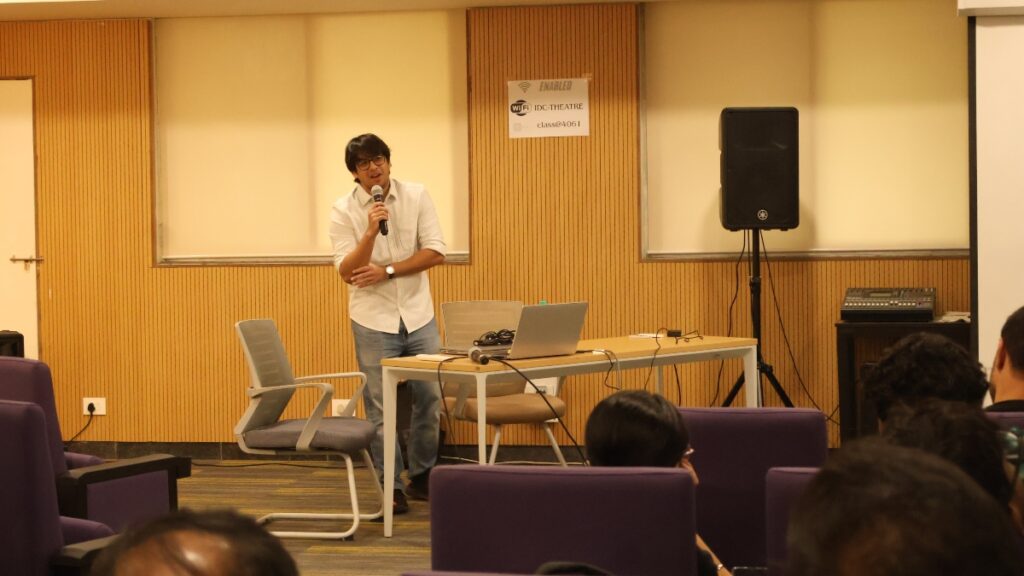
The first session in the Mini Theatre was Creating Animated Films with Unreal Engine 5. The speaker for this session Green Rain Studios unreal engine developer Manan Shahstri. The session examined how Unreal Engine 5 is transforming the production of animated films. Shahstri emphasised the engine’s real-time rendering capabilities, its potential to streamline workflows, and the creative freedom it affords animators.
Moving ahead, the LT-PCSA hall featured Reimagining Filmmaking in the World of Artificial Intelligence, conducted by Whistling Woods International emerging media head chief technology officer business head and vice-president Chaitanya Chinchlikar. The session delved into how AI is reshaping the creative and production processes of filmmaking. Chinchlikar highlighted the possibilities AI brings to animation and live-action workflows, from enhancing efficiency and reducing costs to opening new avenues for storytelling.
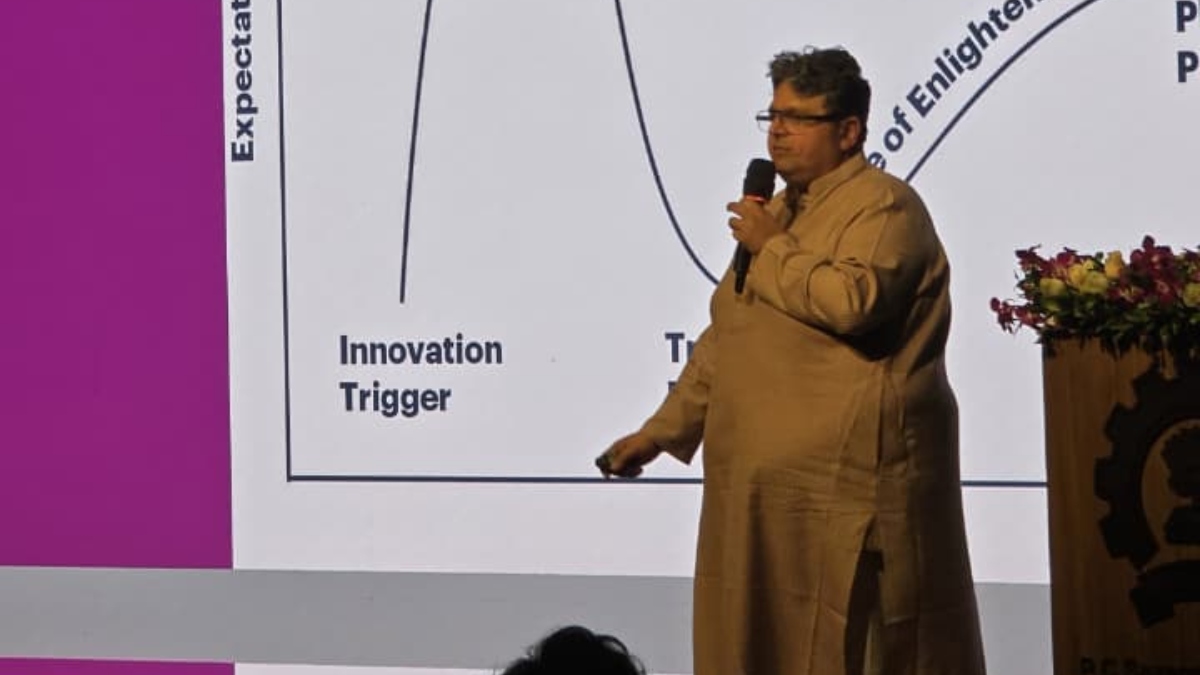
Next session was Transition of VFX from Service to Spectacle organised in the Mini Theatre. The speaker was Firefly Creative Studio VFX supervisor under P.C Sanath. The session traced the evolution of India’s visual effects industry from its early role as a service provider to its current position as a creator of large-scale cinematic spectacle. He shared insights into how VFX has moved beyond outsourcing to become an integral part of storytelling, shaping audience experiences and enabling ambitious creative visions.
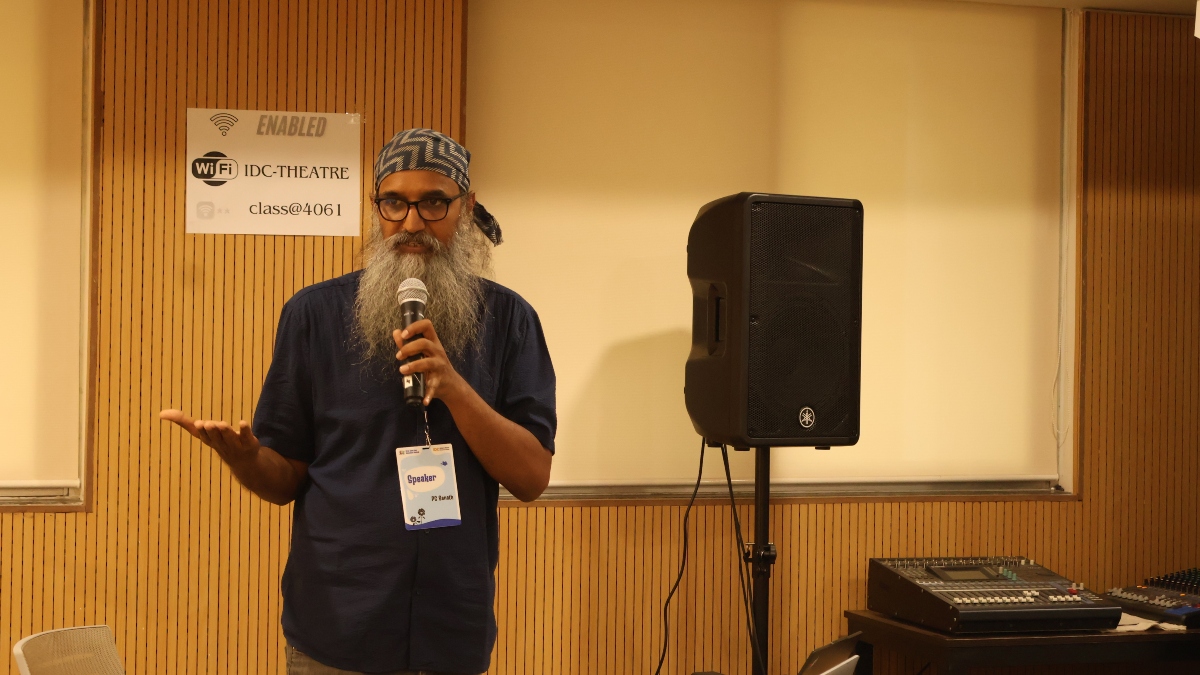
Up next was a session titled Heritage and Classic Cinema: Remastering Past with Future Technologies, in the LT-PCSA hall which was conducted by Livepixel Technologies CEO Rajeev Dwivedi. The speaker explored how modern digital tools are being used to preserve, restore, and reintroduce classic films to contemporary audiences. Dwivedi discussed the technical processes behind remastering, from enhancing image quality and sound to ensuring authenticity while adapting for new formats.
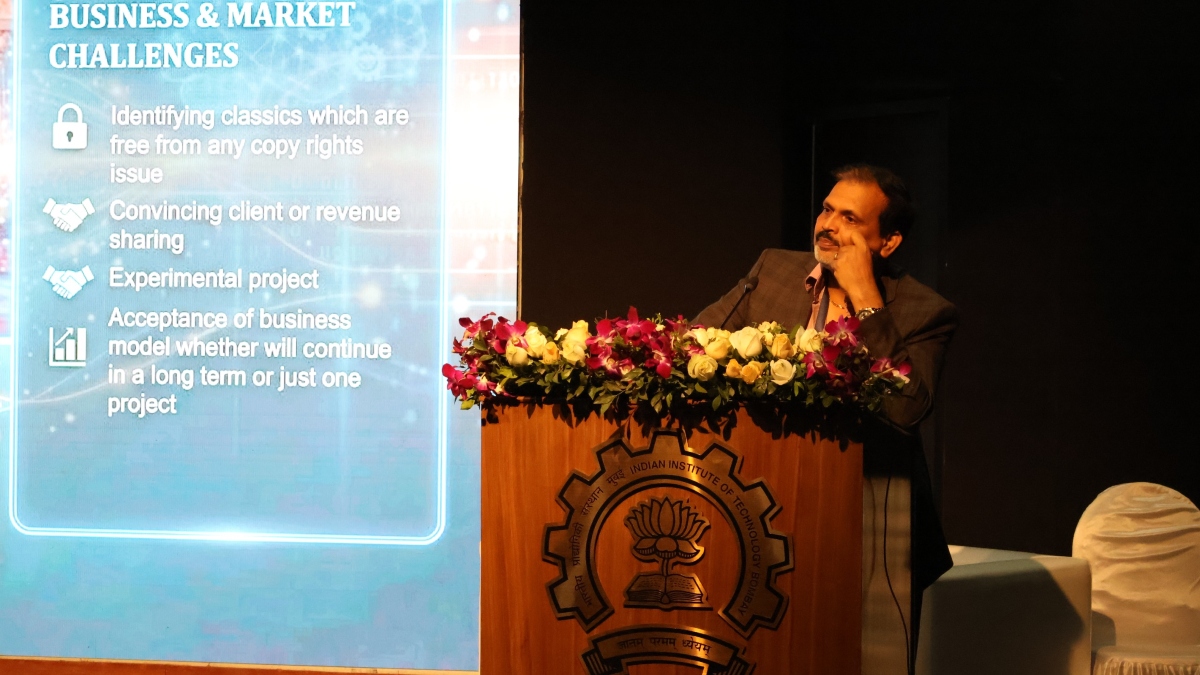
The next session in the Mini Theatre was Future of Indian Story Telling, led by Green Gold Animation founder and MD Rajiv Chilaka. The session also featured Whistling Woods International emerging media head chief technology officer business head and vice-president Chaitanya Chinchlikar, Warner Bros. Discovery South Asia factual entertainment, lifestyle and kids Sai Abhishek and independent filmmaker and producer Kanikaa Gautam. They examined how India’s animation and media industries are evolving to meet the demands of new audiences and platforms. Together the speakers reflected on the journey of Indian content from traditional formats to transmedia universes, highlighting the importance of cultural authenticity, technological innovation, and global ambition.
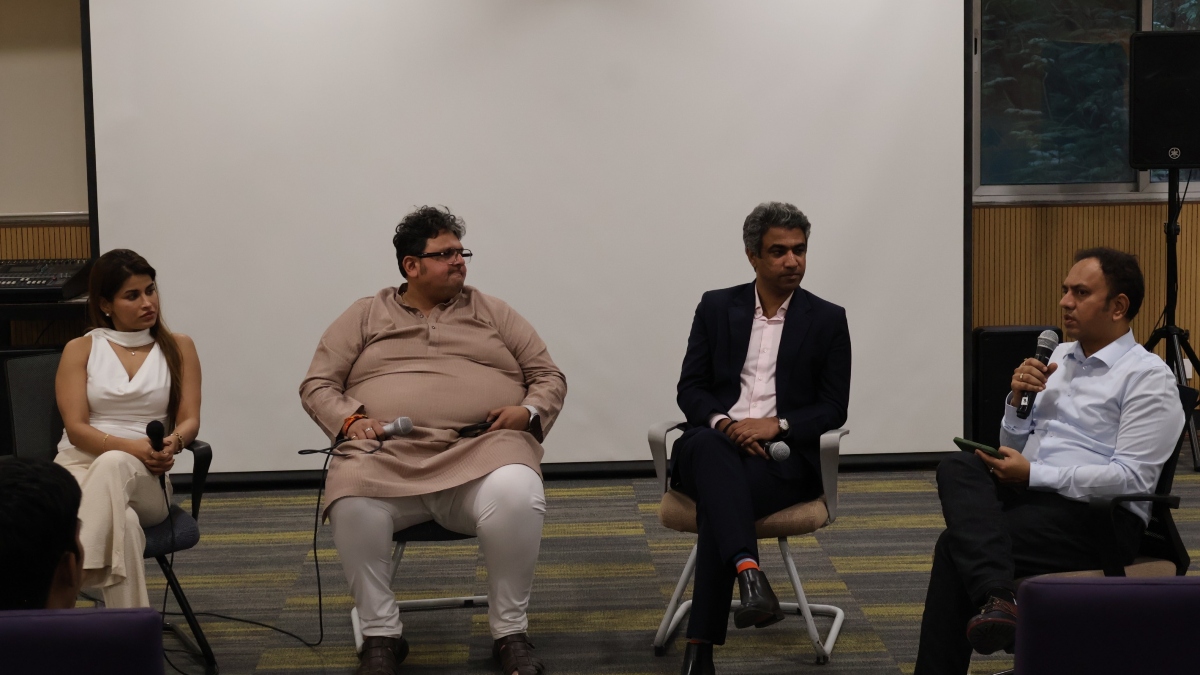
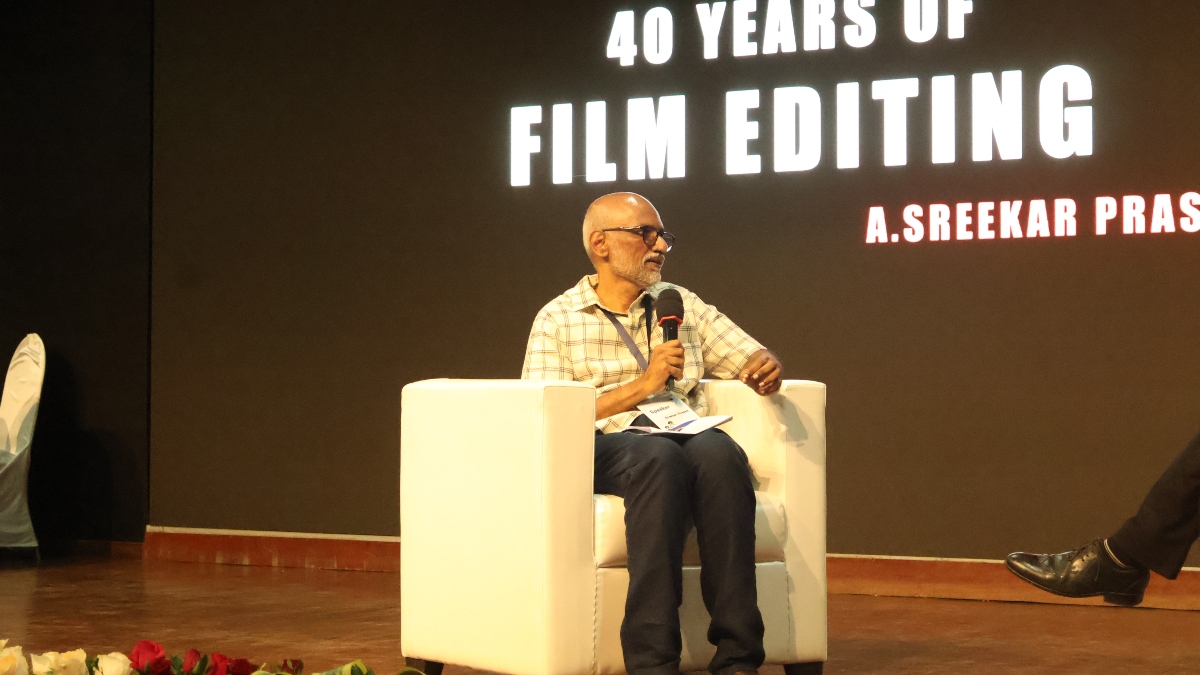
The last session for the day in the LT-PCSA hall was The Art of Editing: Shaping Stories in Film. The speaker for this session was film editor A. Sreekar Prasad. He explored the crucial role of editing in defining the rhythm, emotion, and narrative clarity of cinema. Prasad emphasised how editors shape raw footage into compelling stories, balancing creative vision with technical precision.
Day one of the First Films Fest concluded with a range of sessions spanning animation, VFX, AI, heritage cinema, and storytelling, alongside screenings and immersive experiences. The discussions reflected the festival’s focus on debut filmmakers and the broader shifts influencing contemporary cinema. With a full programme on its opening day, the event set the stage for what is to follow over the next two days.
