

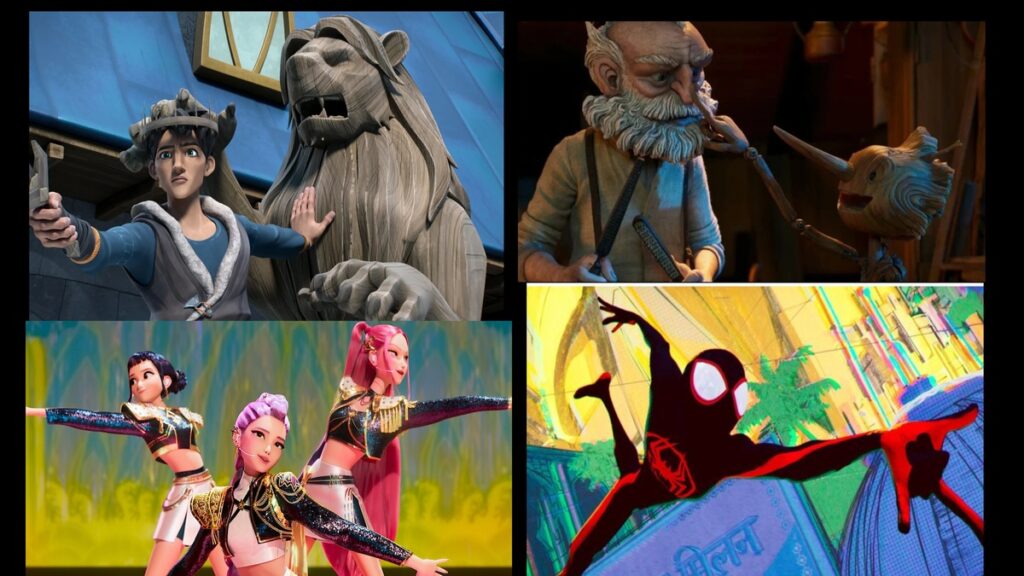
“Animation is cinema. Animation is not a genre. And animation is ready to be taken to the next step,” Guillermo del Toro had said while accepting the Oscar for best animated feature for Guillermo del Toro’s Pinocchio.
Animated content is no longer confined to a niche audience, it is commanding global attention across feature films, shorts, and OTT series. This awards season has reinforced a significant shift: animated storytelling is not only captivating audiences but also redefining artistic benchmarks. From major international accolades to record-breaking viewership, animation has emerged as a dominant creative force, driven by bold experimentation in visual styles and narrative depth.
At the heart of this evolution is a move away from photorealistic CGI towards more artistic, handcrafted aesthetics. Watercolor textures, painterly frames, and hybrid techniques are now at the forefront, signaling a broader industry movement toward visual individuality.
A prime example is KPop Demon Hunters (2025), which garnered 481.6 million views globally and became a cultural phenomenon. The project also dominated the awards circuit, securing top honours including best animated feature and best original song at the Academy Awards this year, alongside multiple wins at leading global platforms.
The success of this project underscores how innovative visual storytelling can transcend cultural boundaries.
Rise of hybrid visual languages
One of the most influential trends shaping modern animation is the fusion of 2D and 3D techniques. Often referred to as stylised CGI, this hybrid approach blends the emotional expressiveness of hand-drawn animation with the depth and dynamism of 3D technology.
The distinctive visual style of blending anime-inspired 2D elements with stylised 3D CGI was witnessed in KPop Demon Hunters. Produced by Sony Pictures Animation and Sony Pictures Imageworks, the dynamic aesthetic elevated both high-energy battle sequences and intricate choreography, creating a visually compelling narrative experience.

This approach builds on the visual language established by Spider-Man: Across the Spider-Verse and Arcane, which had earlier set the benchmark for stylised, illustrative animation pipelines.
More recently, anime veteran Mamoru Hosoda also fused traditional hand-drawn animation with 3D CG in his film Scarlet, a reimagining of Shakespeare’s Hamlet. The film earned three nominations at the 53rd Annie Awards (2026) for best feature- independent, best direction, and best writing.
Reinventing stop-motion for the digital age
Stop-motion animation style has undergone a remarkable transformation in recent years. Once considered labour-intensive and niche, it is now being revitalised through the integration of 3D printing and sophisticated lighting technologies.
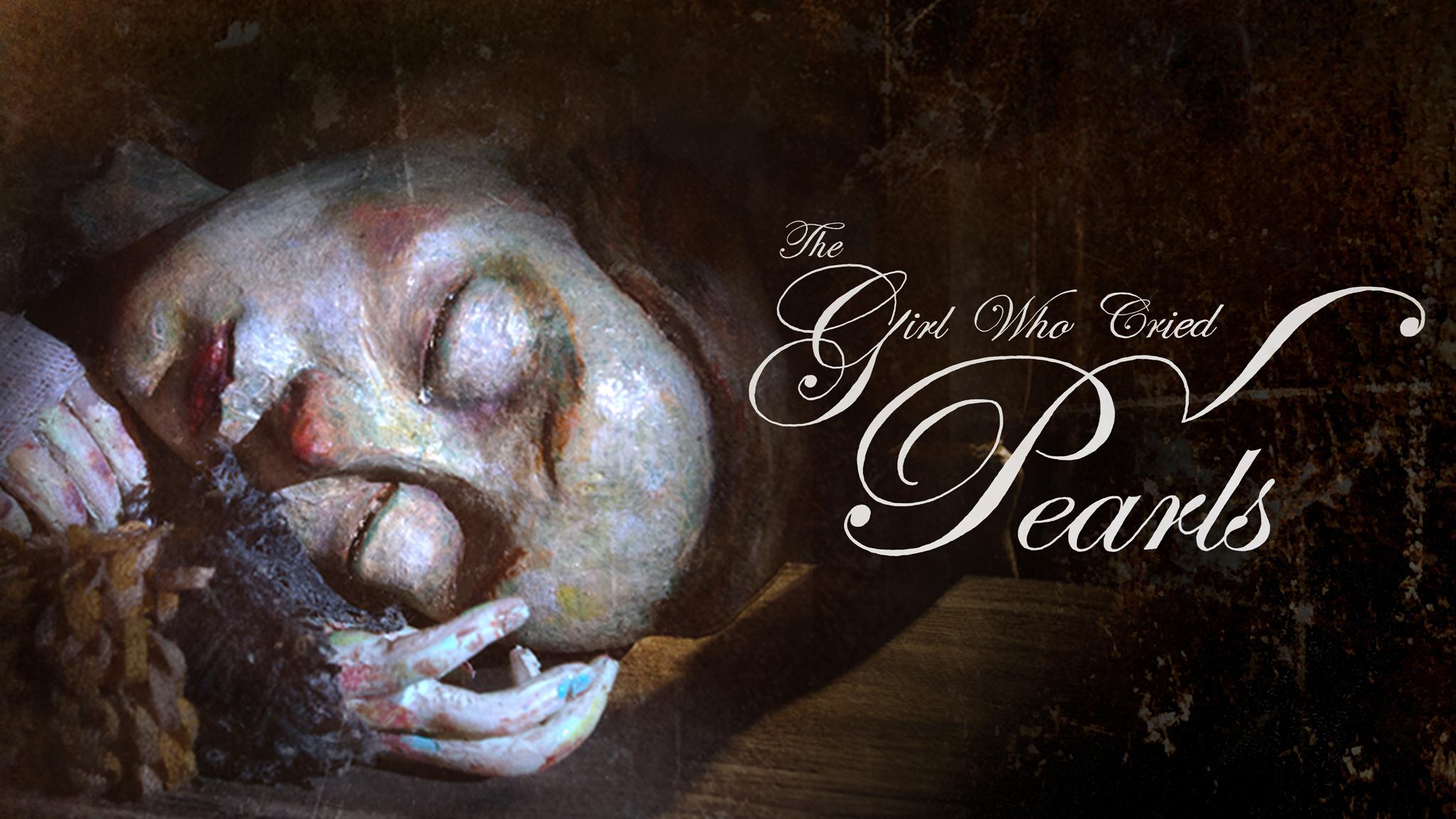
A recent standout is The Girl Who Cried Pearls (2025), the 17-minute short directed by Chris Lavis and Maciek Szczerbowski, which won best animated short film at the Academy Awards. Its dark, fairy-tale like cinematography combines traditional stop-motion with subtle CGI enhancements, particularly in facial animation creating an intimate, hand-crafted feel.
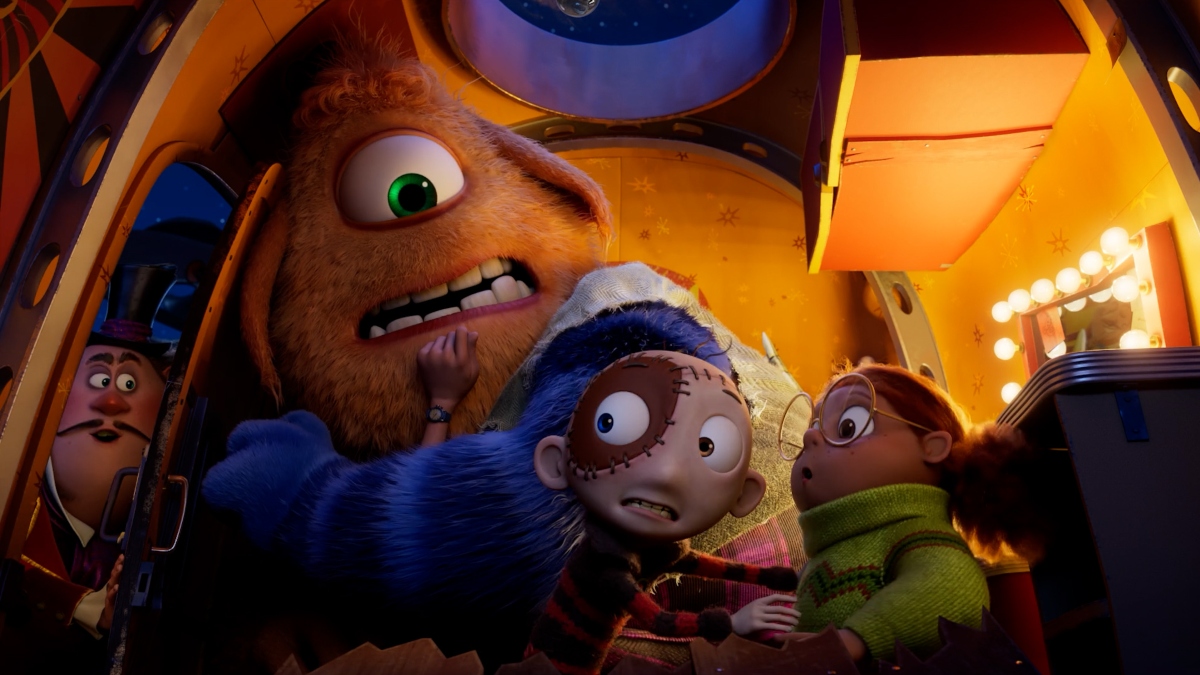
Similarly, Stitch Head (2025), directed by Steve Hudson with animation director David Nasser, features a 3D CGI style that mimics a tactile, handmade stop-motion look. Backed by Assemblage Entertainment, the film blends gothic, expressionist visuals with a playful tone, emphasising character acting and emotional nuance. The project also made it to the Academy Awards shortlist.
Grungy, painterly realism takes centre stage
There is a noticeable departure from polished animation towards grungy, painterly realism. This style embraces imperfections; stutter frames, visible brush strokes, and bold, saturated colour palettes to create a more visceral and dynamic viewing experience.
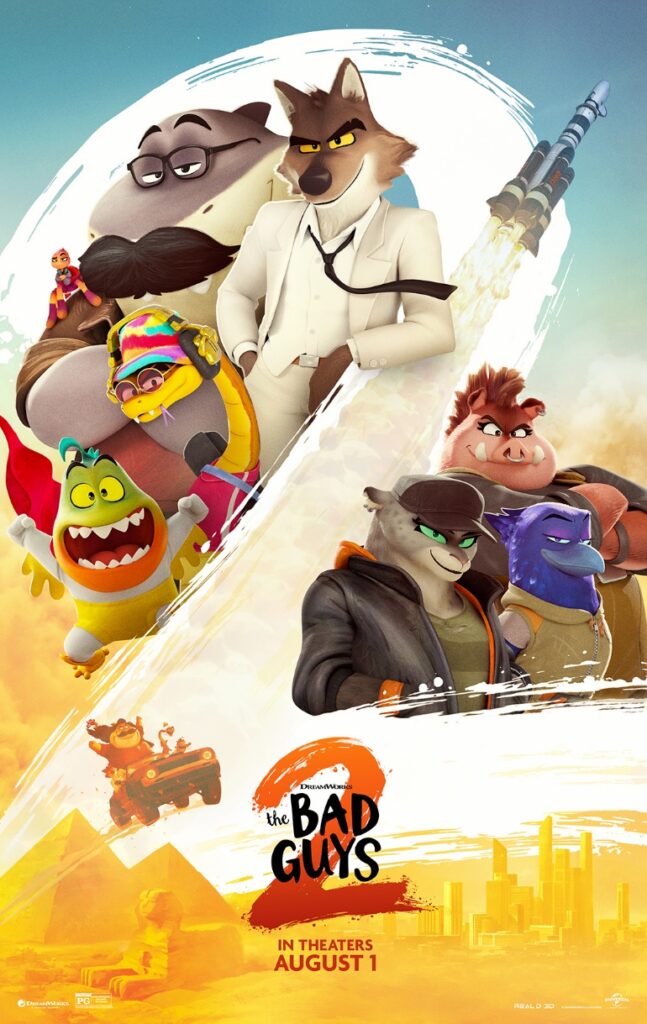
Films like The Bad Guys 2 produced by DreamWorks Animation utilise a unique combination of 3D computer graphics enhanced by 2D artistic techniques, including hand-drawn lines, stylised shading, and graphic-novel-inspired effects. The result is a layered visual language where characters appear to leap off textured, sketched backgrounds.
Meanwhile, Netflix’s Wolf King pushes gritty realism further. Drawing from rich source material, the series integrates 2D hand-drawn animation for key moments with Houdini-generated 3D effects for large-scale sequences. With FX work led by Assemblage Entertainment, the project balances scale with artistic depth. Its visual ambition paid off, earning best new series (tweens/teens programming) at the Kidscreen Awards 2026.
Experimental and mixed media: expanding the canvas
Animation styles are also pushing boundaries through experimental and mixed-media approaches. Combining collage, live-action, and 2D/3D techniques, creators are expanding the storytelling canvas across formats from music videos and advertisements to theatrical releases.
A landmark achievement in this space is Flow by Gints Zilbalodis. The Latvian short film made history as the first indie project to win best international feature at the Academy Awards and best animated motion picture at the Golden Globes. Created using Blender, its painterly, fluid 3D style avoids glossy realism, instead embracing a soft, watercolour-like aesthetic.
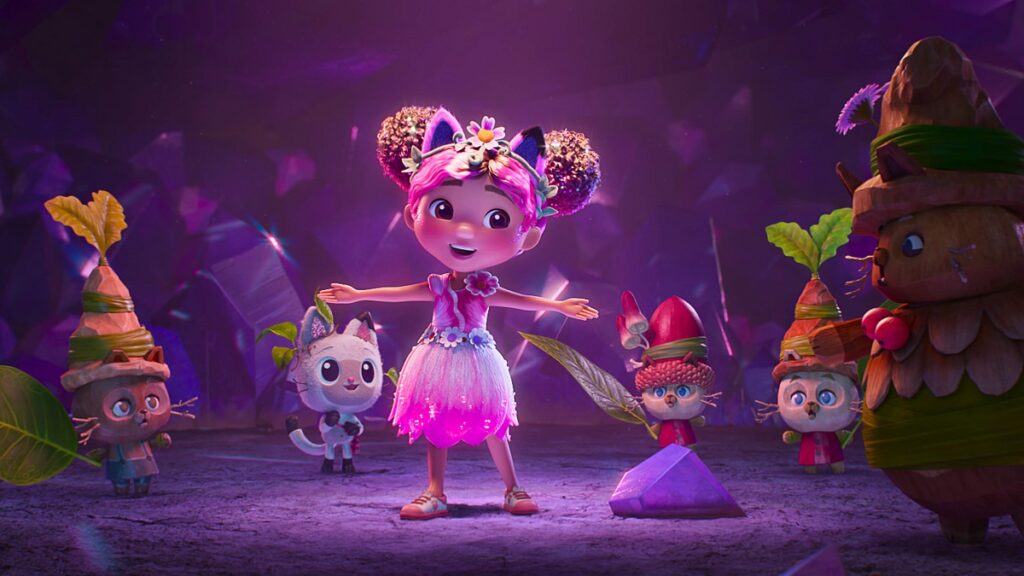
On the other end of the spectrum, Gabby’s Dollhouse: The Movie, directed by Ryan Crego, blends live-action with animation to create a vibrant, tactile world. Characters are designed to resemble handcrafted objects within a dollhouse, with animation emphasising playful, toy-like movement. The primary animation work of this DreamWorks Animation film was handled by Assemblage Entertainment, the film earned a spot on the Academy Awards shortlist and a nomination at the Golden Tomato Awards 2025.
This awards season has made one thing clear that the visual style is no longer just an aesthetic choice; it is a storytelling tool. Audiences are increasingly drawn to projects that offer a distinct visual identity, and studios are responding by embracing experimentation and artistic risk.
As animation continues to evolve, the blending of techniques, resurgence of traditional aesthetics, and rise of global narratives will define its next chapter. The future of animation lies not in uniformity, but in diversity: of styles, voices, and creative vision.
