
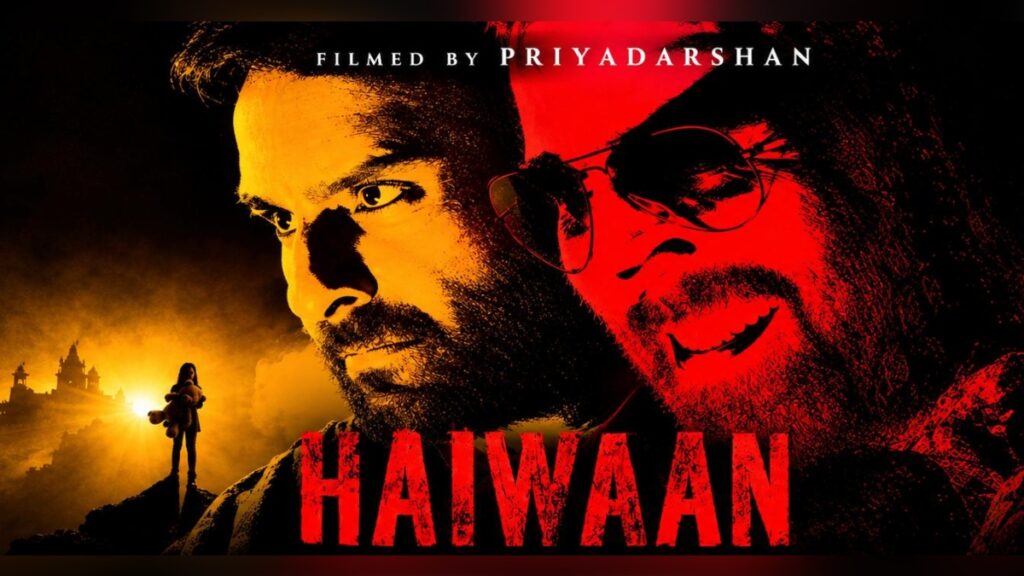
When the visual effects in a film did their job, nobody clapped. Nobody even noticed. That was exactly the plan for Haiwaan. Instead of showing off for the sake of it, the film’s VFX slipped quietly under the skin of the live action and vanished into it.
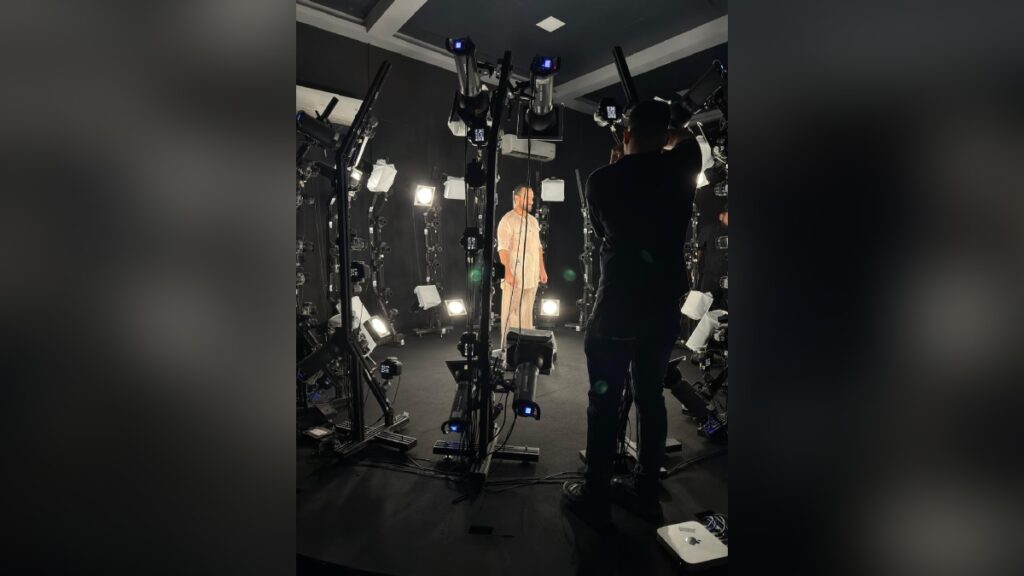
The centrepiece was a shot that needed a digital double of the hero. In an interview with AnimationXpress, WRC Studios founder and VFX supervisor Rudra Mazumder said the team stitched that digi-double so neatly it melted into the real footage around it. “It is more about subtle and invisible VFX; nothing loud as such. In one sequence, there was a need for the hero’s digi-double, which we handled efficiently, and it blends seamlessly with other practical shots in that sequence.”
Making something look effortless could be far harder than making it look flashy. Yet Mazumder said Haiwaan leaned on no fancy custom workflow. The job was simply to nail each shot cleanly.
Loud or invisible? Depends on the shot
So what won the crowd over, effects that shouted or effects that quietly disappeared into the frame? Mazumder did not pick a side. It hung on what the shot was asking for. “It can be both louder and seamless; it depends on the need of that particular shot or sequence. Audiences appreciate all well-executed VFX.”
That was the nub of it. VFX was not always about making viewers gawp at the tech. Sometimes its finest hour was stepping aside so the story, the performance and the action could grab the frame while the digital work hid in the wings. So the Haiwaan pipeline did not chase novelty for kicks. Mazumder said it ran on standard state-of-the-art tools, nothing specialised, nothing custom-built.
No party tricks, just the right kit
The same thinking ran through the whole pipeline. The team stuck with tried-and-tested VFX techniques rather than inventing something new for the film. Sounds obvious, but there was real discipline in knowing when not to reinvent the wheel. A solid pipeline, used with a steady hand, got the result without piling on needless complication.
It also mirrored how audiences now took in effects. As digital craft got sharper, the best work was the kind that felt born into the shot rather than glued on afterwards.
And while the tools stayed familiar, another bit of tech hummed away in the background. AI.
AI in the pipeline, on a tight leash
AI and machine learning already sat inside WRC Studios’ VFX workflow for Haiwaan. But nobody had handed the keys to the machine. Mazumder said the studio’s AI-ML ran completely offline through locally installed apps, walled inside a secured pipeline with no internet access.
That mattered in a shop where project material and assets had to stay under lock and key. This was not some side experiment. The AI-ML was already baked into the studio’s day-to-day workflow.
So in Haiwaan the tech turned up without fireworks. No flashy new toys, no bespoke systems. The whole strategy was about knowing where technology belonged and, just as vital, where it did not. The hero’s double had to vanish into the scene. The effects had to serve the shot. The pipeline had to stay secure. And the tech, whether ordinary VFX kit or offline AI-ML, had to do its bit without grabbing the spotlight.
