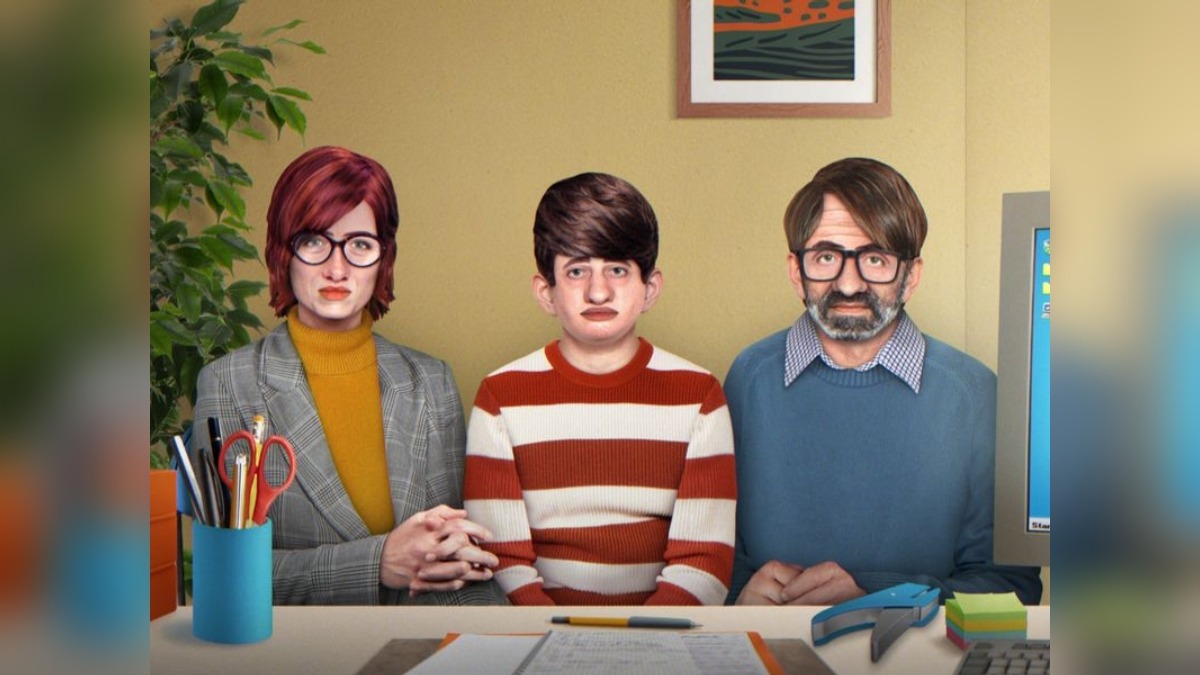
Blaise did not ask for much. He simply wanted to avoid upsetting anyone. In doing so, he ended up a revolutionary, which was, when you thought about it, a rather precise portrait of how ideological movements got their foot soldiers.
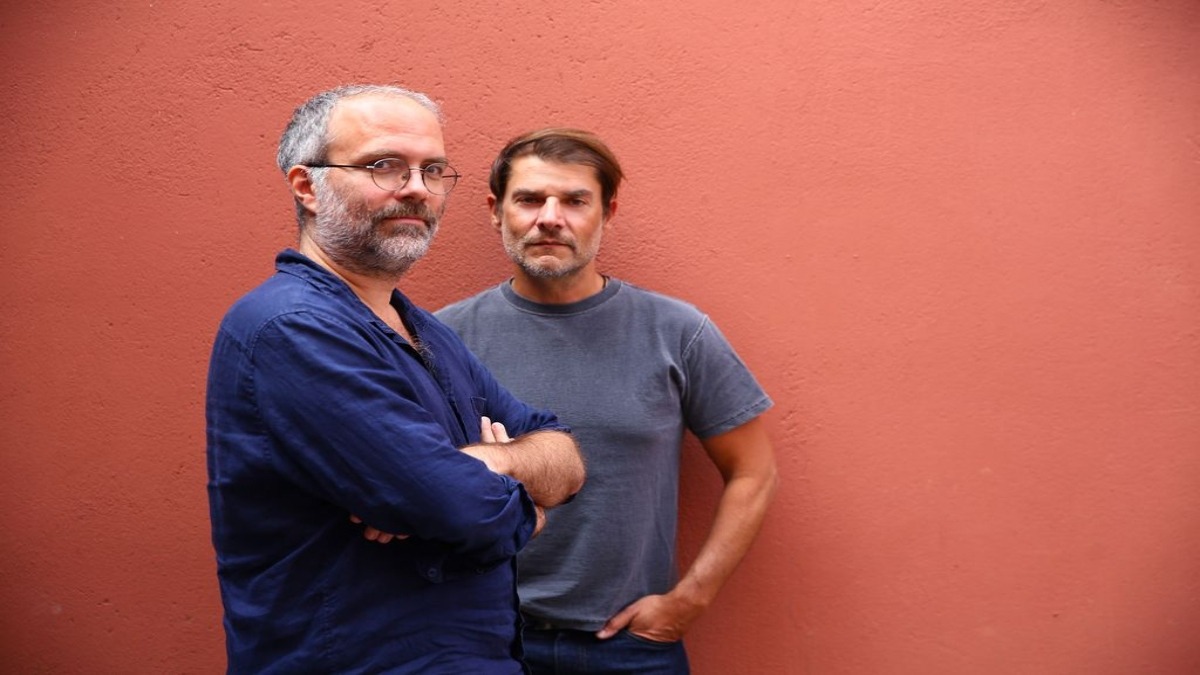
That quiet irony sat at the heart of Blaise, a French animated feature directed by Jean-Paul Guigue and Dimitri Planchon, selected for the Annecy International Animation Film Festival 2026, both under its prestigious Contrechamp category and the ACID section for independent cinema. For a film that had begun life as a gag strip in the magazine Fluide Glacial, it had travelled a considerable distance.
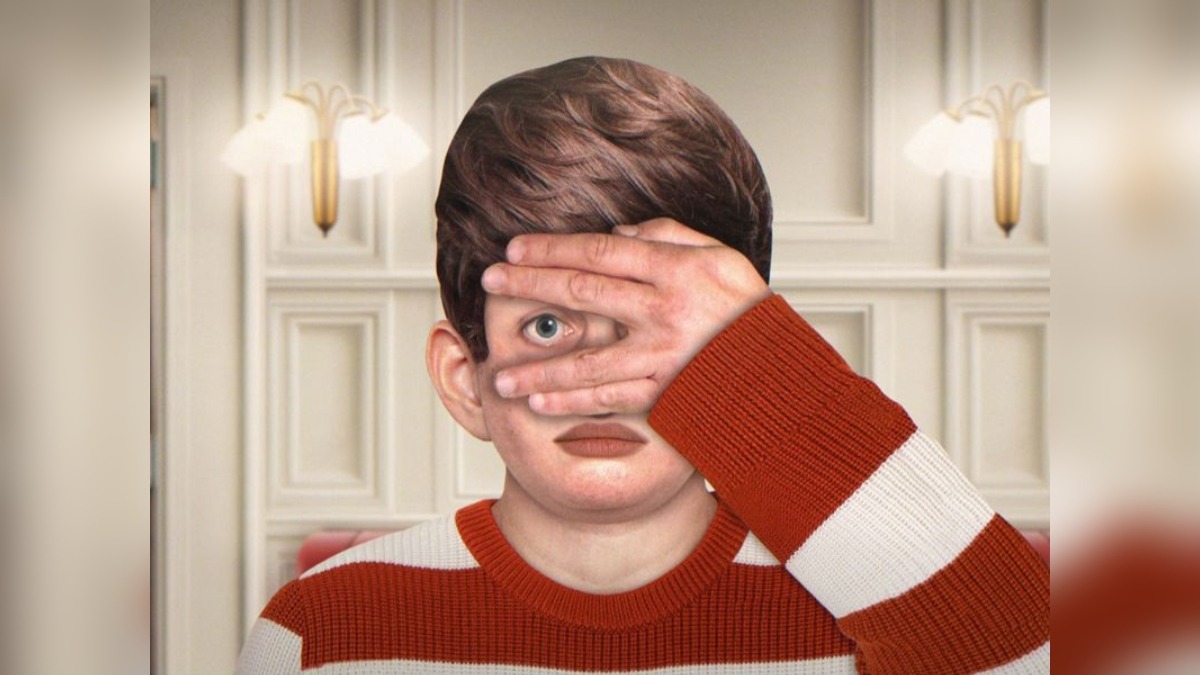
The story followed Blaise, a diffident 16-year-old navigating the wreckage of the Sauvage family. His father Jacques was consumed by how others perceived him. His mother Carole seethed with resentment. And Blaise, drawn into activism by a girl named Joséphine, drifted from anxious bystander to accidental firebrand not out of conviction, but out of his pathological inability to say no. The film opened and closed on his nervous gaze, which told viewers everything about where the emotional logic landed.
Planchon, who had originated the comic strip nearly 20 years earlier, had not set out to make something so emotionally loaded. The strip had been a deadpan domestic comedy. When producer Alexandre Gavras approached him in 2015 to develop it into an animated series, Planchon brought in Guigue, and the two began pulling at threads they had not expected to find. Anxiety. Miscommunication. The quiet violence of belonging to a family that could not hear itself think. “The humour was still there,” Planchon said, “but something heavier had grown underneath it.” The feature film became the only form capacious enough to hold all of it.
Neither director had come to animation through the conventional route. Planchon, a graphic artist who worked in photomontage and comic strips, used paper cutouts to shift characters across panels close enough to animation, it turned out that the transition felt less like a leap than a recognition. Guigue had stumbled into it three decades earlier after a chance encounter with a Paris studio while working in computer graphics. He never quite left. What kept him there, he said, was animation’s particular freedom: entire worlds built by small teams, unconstrained by the logistics of live action.
Budget was a constraint of a different sort. With limited resources, both directors and their collaborators ended up wearing multiple hats. Early production methods stalled and were scrapped. The team eventually stripped things back to the television technique they knew from the series and found, in that discipline, a cleaner path to the film’s vision.
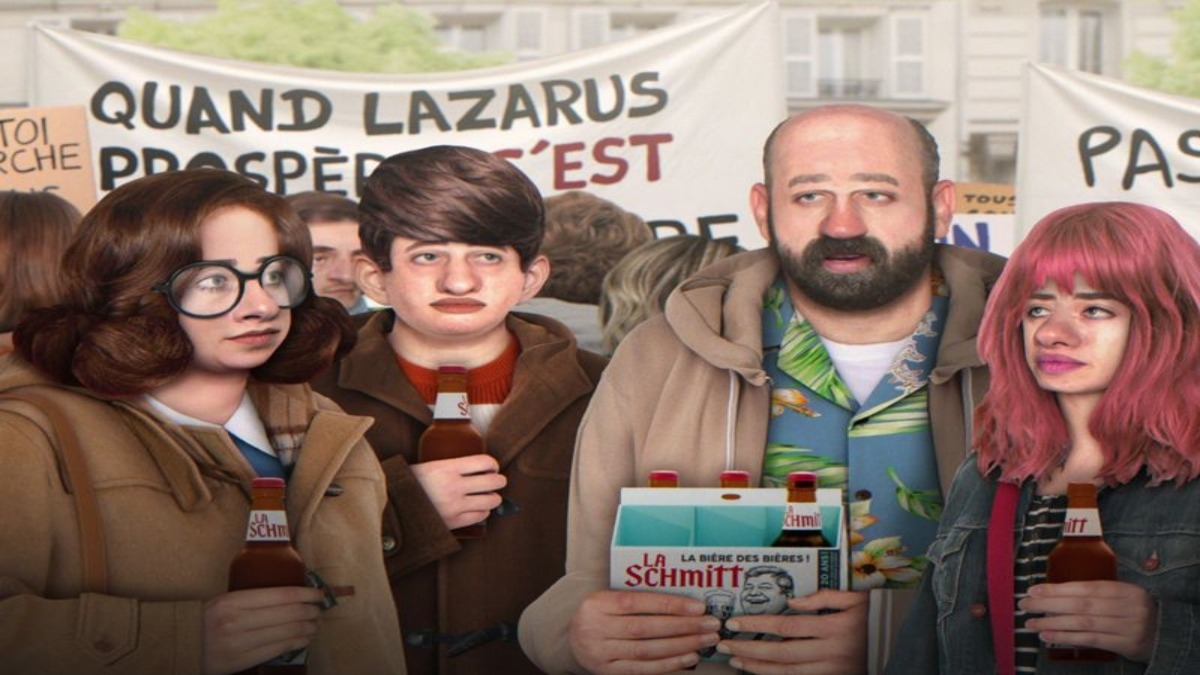
The result was a work that resisted easy categorisation, which was precisely why Annecy’s Contrechamp section designed for films that pushed against the grain, felt like the right home. Blaise was not a children’s film, nor a conventional arthouse provocation. It was something quieter and more unsettling: a portrait of people so busy managing their image that they had lost the thread of who they actually were.
Blaise himself never quite found it. But in that failure, Guigue and Planchon found something rather more interesting: a film that understood, with rueful precision, that the most dangerous thing a person could do was nothing at all.
